
New to Flipping?
Here’s the Step-by-Step Guide That Helps First-Time Investors Succeed
Get Smart Investors Tips Straight to Your Inbox!
Table of Contents
- The First-Time Flipper’s Guide: Your Step-by-Step Playbook for a Profitable Start
- Start with the Right Property, Not Just a Cheap One
- Estimate Renovations Accurately With Verified Numbers
- Calculate Returns With Clear Investment Metrics
- Secure Financing That Matches Your Project Timeline
- Manage the Renovation like a Project Manager
- Sell Strategically With Market Data on Your Side
- Set Your First Flip Up for Success with the Right Support
Want more step-by-step guides like this?
Subscribe and get our full flipping toolkit
The First-Time Flipper’s Guide: Your Step-by-Step Playbook for a Profitable Start
Fix and flip investing attracts new investors for a reason. When executed with discipline, the right property, and a clear financial plan, a single project can generate meaningful returns while building long-term confidence. Yet first-time flippers often underestimate how many moving parts must align for a profitable exit. This guide breaks down the process into clear, practical stages so you can approach your first project with structure instead of guesswork.

1. Start with the Right Property, Not Just a Cheap One
New investors sometimes chase the lowest purchase price, even if the home sits in an area with weak demand. Successful flippers focus on location patterns, price-to-rent ratios, and resale velocity.
Industry data shows that properties in neighborhoods with strong retail activity and school ratings sell up to 27 percent faster than comparable homes in lower-demand locations. Look for:
- Days-on-market trends
- Recent sale price increases
- Inventory levels
- Local investor activity
Good flipping candidates are structurally sound, cosmetically outdated, and located in neighborhoods where renovated homes consistently command higher resale prices.

2. Estimate Renovations Accurately With Verified Numbers
Renovation estimates are the most common point of failure for first-time flippers. Studies across major U.S. markets show that inexperienced investors routinely underestimate rehab costs by 15 to 25 percent. To avoid this, itemize every category, including:
- Roof, HVAC, plumbing, electrical
- Interior upgrades
- Landscaping
- Permits
- Holding costs and contingency buffers
A contingency of 10 to 15 percent protects you from surprises without derailing your budget.
3. Calculate Returns With Clear Investment Metrics
Before committing to a deal, evaluate potential profit using established metrics. The two most important calculations for first-time flippers are ARV and the 70 Percent Rule.
After Repair Value (ARV)
This is the projected resale price after renovations. Use comparable properties sold within 90 days for the most accuracy.
The 70 Percent Rule
A guide widely used by professional flippers.
Maximum purchase price should be roughly 70 percent of ARV minus renovation costs.
Example: If ARV is 300,000 and rehab is 40,000, the target purchase price is around 170,000.
This keeps profit margins healthy and minimizes downside risk.


4. Secure Financing That Matches Your Project Timeline
Traditional mortgages rarely work for flips because they move slowly and require full documentation. First-time flippers benefit from fast, asset-based financing designed specifically for renovation projects.
Private fix and flip programs offer several advantages:
- High leverage covering purchase and rehab
- Fast approvals that help you compete
- Interest-only options during renovation
- No income verification for many deals
The ability to close in days instead of weeks creates a major advantage when bidding on foreclosures, distressed properties, and off-market deals.
Insula Capital Group structures financing precisely for these scenarios. The programs are built around quick decision-making, direct communication, and loan structures that support both first-time and experienced flippers.
5. Manage the Renovation like a Project Manager
Successful investors track timelines, payments, and contractor performance with the same discipline used in commercial construction. Average holding costs can reach 2 to 3 percent of the total project budget each month, so delays erode profit quickly.
Maintain:
- Weekly progress check-ins
- Clear payment schedules
- Updated budgets
- Documentation of all change orders
Fast, clean, and market-ready renovations sell faster and command stronger offers.
6. Sell Strategically With Market Data on Your Side
Once renovations are complete, list with a pricing strategy based on fresh comparables. Properties priced correctly within the first seven days have a significantly higher chance of receiving multiple offers. Staging, professional photos, and accurate descriptions can increase buyer interest by up to 15 percent in competitive neighborhoods.
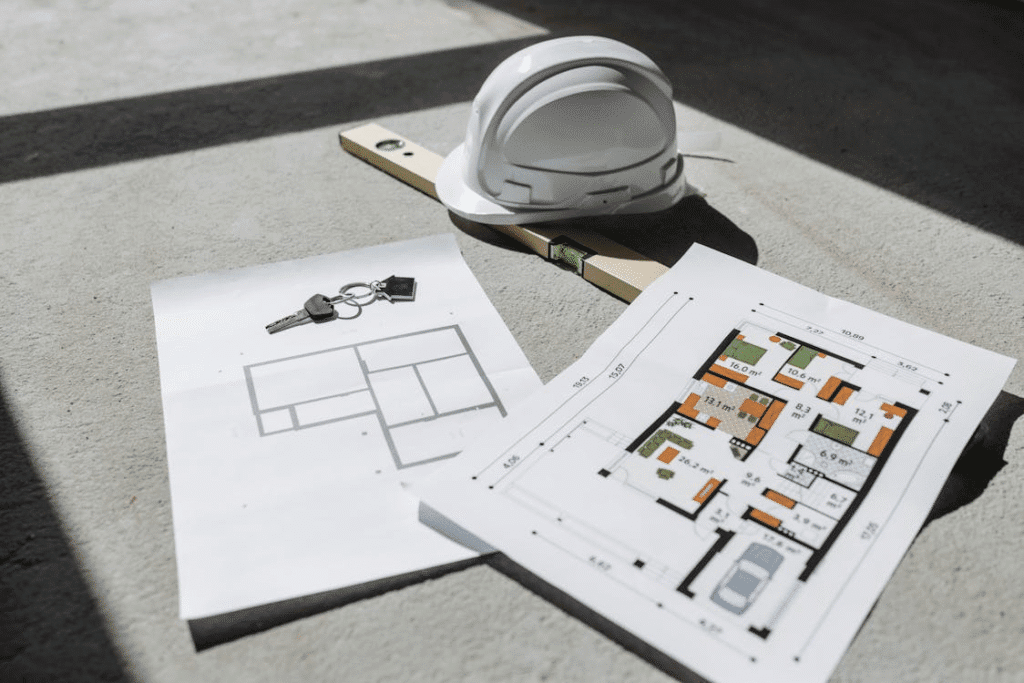

Set Your First Flip Up for Success with the Right Support
A profitable first flip requires more than good instincts. It requires reliable capital, clear budgeting, smart property selection, and a financing partner who understands how quickly markets move. Insula Capital Group helps first-time investors build confidence through structured lending, transparent terms, and support that aligns with real investor timelines.
Ready to move forward on your first project? Contact Insula Capital Group to start your prequalification. You can also complete a loan application when you are ready to begin.