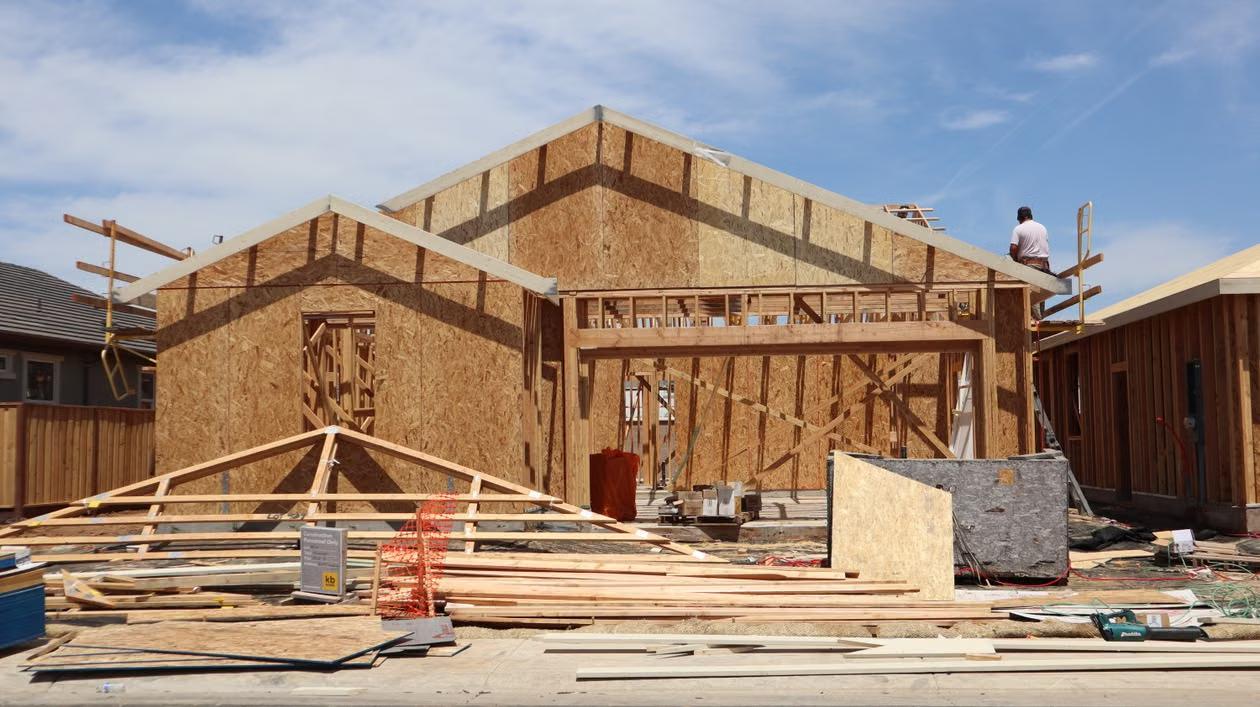
Commercial real estate financing is the foundation of property investment growth in the United States. Whether acquiring a retail space, refinancing an apartment complex, or expanding a mixed-use development, the right financing structure determines both short-term returns and long-term profitability. In 2025, investors are looking for flexible, data-driven funding options that adapt to changing interest rates and tighter underwriting standards. Understanding how these loans work and how lenders like Insula Capital Group structure them helps investors make informed decisions that align with their property goals.
Understanding Commercial Real Estate Financing
Commercial real estate financing refers to the funding used to purchase, develop, or refinance income-generating properties such as office buildings, multifamily units, and industrial facilities. Unlike residential mortgages, these loans are evaluated based on the property’s income potential and the borrower’s financial profile.
Banks, private lenders, and debt funds all offer different forms of commercial real estate loans, each with unique advantages in terms of commercial loan rates, loan-to-value ratios, and repayment terms. For investors, the challenge is selecting the right type of loan that supports both immediate project needs and long-term growth plans.
Short-Term vs. Long-Term Loan Structures
Every commercial investment moves through financing stages, from acquisition to stabilization and eventual refinancing. Short-term loans, such as bridge or construction loans, provide immediate capital to purchase or improve a property. These typically have higher commercial property loan rates but faster approval timelines.
Once a project stabilizes and begins generating steady income, investors often refinance into long-term products such as a business loan for commercial property. These loans provide predictable payments and lower commercial real estate loan rates, enabling owners to focus on operational performance and portfolio expansion.
Common Loan Types in Commercial Real Estate
- Bridge Loans: Designed for fast acquisitions or transitional properties that need short-term capital before permanent financing. These loans usually last 6–24 months and are favored for quick closings or value-add projects.
- DSCR Loans (Debt Service Coverage Ratio Loans): These are currently in high demand for rental property and multifamily investors. Approval depends primarily on the property’s cash flow, not the borrower’s personal income.
- Construction Loans: Used for ground-up developments or major renovations. Funds are released in phases as construction milestones are met.
- Permanent Loans: Long-term loans designed to replace short-term debt once a property is stabilized. They often have 5–25-year terms and competitive commercial property financing
- Refinance Loans: Allow investors to extract equity or secure better commercial property loan termsafter a property appreciates or interest rates improve.

2025 Underwriting and Market Trends
The 2025 commercial lending market continues to adapt to higher borrowing costs and regulatory scrutiny. Lenders are prioritizing conservative loan-to-value ratios and stronger debt service coverage. For most properties, a DSCR of 1.25x or higher is now a standard requirement.
While commercial loan rates have increased slightly since 2024, investors still benefit from opportunities to refinance older, high-interest debt. Private lenders like Insula Capital Group are stepping in with flexible underwriting models that consider asset performance rather than rigid personal credit metrics.
In high-demand markets like Florida, Texas, and California, competition among commercial mortgage brokers and commercial real estate loans is driving innovative funding programs that help investors maintain liquidity despite rising rates.
Regional Insights for Investors
California
California continues to attract investors due to its tech-driven economy and consistent demand for commercial properties. However, commercial loan rates in California are slightly above the national average because of high property values and regulatory costs. Flexible commercial real estate financing programs are becoming popular among small and mid-sized investors who seek faster approvals and alternative lending terms.
Florida
Florida’s population growth fuels steady demand for multifamily and retail developments. Lenders offering commercial property loans in Florida are focusing on DSCR-based programs, allowing investors to scale portfolios without extensive documentation. Competitive commercial loan rates are available for borrowers with strong rental income performance.
Texas
Texas remains one of the most investment-friendly states, offering lower property taxes and business incentives. Commercial real estate loans in Texas often come with favorable leverage options and quick funding timelines. Private commercial mortgage brokers are providing more flexible structures to support investors managing multiple properties.
New York
While interest rates are slightly higher, commercial property loan programs remain active due to the strength of urban real estate demand. Investors rely on specialized commercial real estate loans in New York to fund mixed-use and redevelopment projects in prime metropolitan areas.
Factors That Affect Commercial Loan Approval
- Property Income Performance:The property’s ability to generate income is the primary factor determining loan eligibility.
- Loan-to-Value (LTV) Ratio:Most lenders prefer a 65–75% LTV for stable assets.
- Creditworthiness:While less critical for DSCR loans, personal credit still influences pricing and commercial loan eligibility.
- Asset Type:Office, retail, and multifamily properties have varying risk levels that affect commercial property finance options.
- Market Conditions:Local rental demand, interest rate trends, and economic forecasts influence underwriting and commercial real estate loan options.
Working with the Right Lender
Choosing the right lending partner is as important as selecting the property itself. Experienced commercial loan brokers can connect borrowers to lenders with suitable commercial property loan requirements and structures.
Insula Capital Group stands out for its adaptive loan programs and investor-first approach. The company evaluates every deal individually, considering the asset type, revenue potential, and borrower’s goals, to provide efficient funding for short- and long-term investments.

Flexible Growth with Insula Capital Group
Insula Capital Group delivers more than just commercial real estate funding; it provides a partnership that supports investors through every stage of property growth. By offering diverse commercial real estate loan lenders options, transparent terms, and nationwide programs, the company helps investors secure the best rates for commercial loans and scale their portfolios with confidence.
For investors seeking strong returns and reliable commercial real estate financing, Insula Capital Group combines experience, flexibility, and innovation to make commercial property ownership a reality.
Start your next project with confidence. Contact us to discuss your financing options today.