The journey of building a home is often as complex as it is exciting. While many buyers are familiar with traditional home financing, fewer understand how financing works when a property is still under construction. That’s where the difference between construction loans and traditional mortgages becomes critical.
These two financing options may both lead to homeownership, but they operate in fundamentally different ways, from how money is released to how repayment is structured and what risks are involved. Here’s how understanding these differences can help borrowers make more informed financial decisions, especially in today’s evolving real estate and lending environment.
What Is a Construction Loan vs a Traditional Mortgage?
A traditional mortgage is designed for purchasing an already-built home. The lender provides a lump sum upfront, and the borrower repays it over a long-term schedule, typically 15 to 30 years, with fixed or adjustable interest rates.
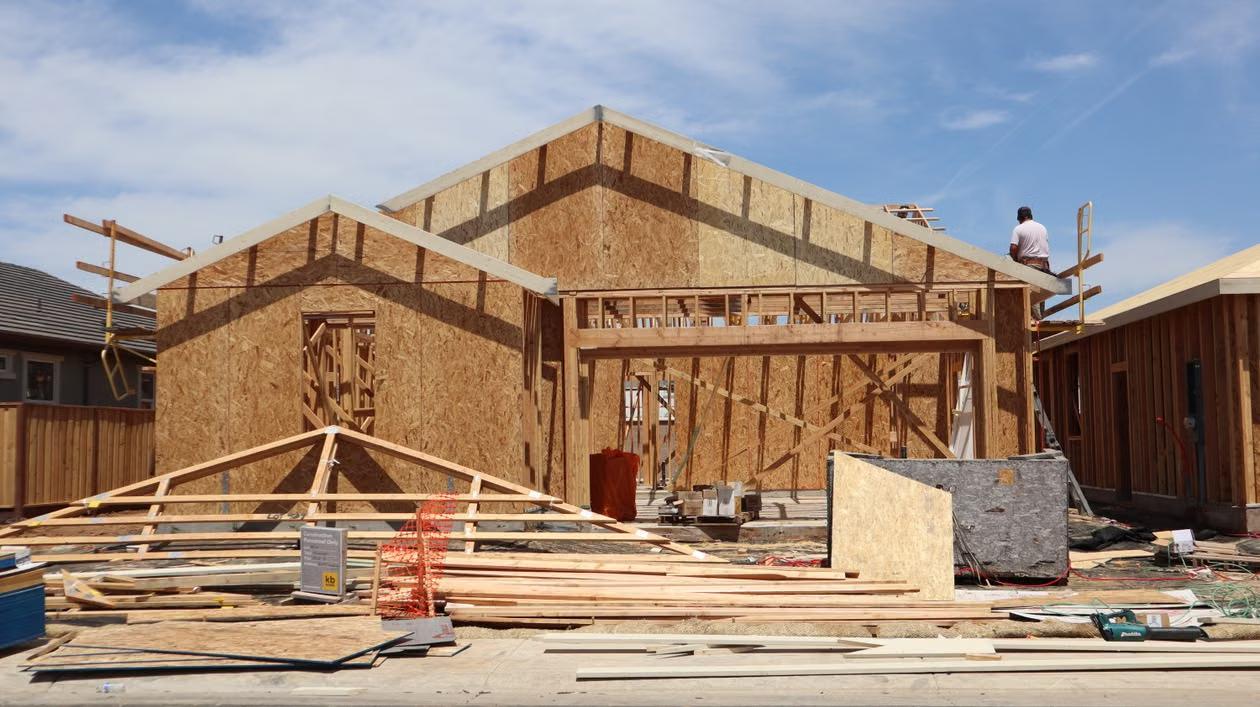
A construction loan, however, is short-term financing used to fund the building of a home. These loans usually last around 12 to 18 months and are structured to cover building costs in phases rather than as a single payout.
Once construction is completed, borrowers often either refinance into a traditional mortgage or convert the construction loan into a permanent mortgage structure.
How Funds Are Distributed
One of the most significant differences lies in how money is disbursed.
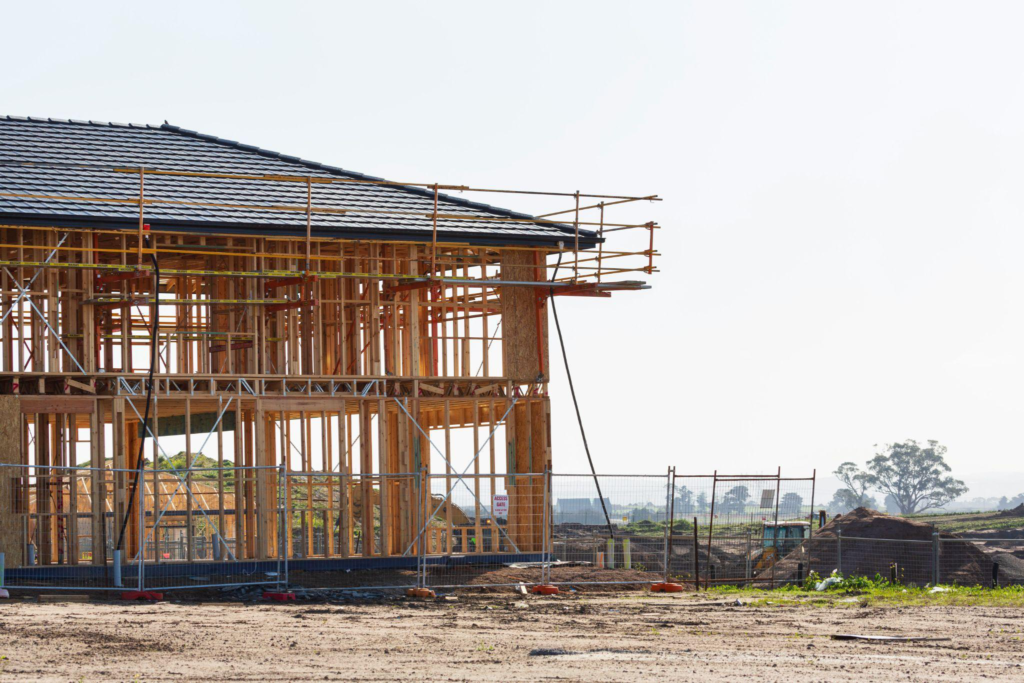
With a traditional mortgage, funds are released in one lump sum at closing. In contrast, construction loans operate on a “draw schedule,” where funds are released in stages as the project progresses, such as foundation, framing, roofing, and finishing.
This phased approach helps lenders manage risk, ensuring that money is only released as verified work is completed. It also requires regular inspections before each draw, making the process more controlled but also more complex for borrowers and builders.
Repayment Structures: Interest-Only vs Long-Term Amortization
Another key distinction is repayment.
During construction, borrowers typically make interest-only payments on the amount drawn, not the full loan balance. This keeps payments lower while the home is being built. Once construction is complete, the loan is either converted into a traditional mortgage or refinanced into one.
Traditional mortgages, on the other hand, begin full repayment immediately after closing, including both principal and interest.
Construction loans often carry interest rates about 1% to 2% higher than standard mortgages due to increased risk exposure during the building phase.

Risk Considerations for Borrowers and Lenders
Construction loans inherently carry higher risk than traditional mortgages. Several variables contribute to this:
- Construction delays due to weather or labor shortages
- Material price fluctuations
- Contractor performance issues
- Cost overruns beyond initial estimates
Because of these risks, lenders typically require stronger credit profiles, higher down payments, and detailed construction plans before approval.
Traditional mortgages, by contrast, carry less uncertainty since the property already exists and has a stable market valuation.
Key Structural Differences at a Glance
- Loan Purpose:Construction loans fund building; mortgages fund completed homes
- Disbursement:Draw-based vs lump sum
- Repayment:Interest-only during construction vs immediate amortization
- Loan Term:Short-term (12–18 months) vs long-term (15–30 years)
- Risk Level:Higher due to construction uncertainty vs lower for existing homes
These structural differences significantly influence borrower experience, approval requirements, and long-term financial planning.

Navigating construction financing requires more than just access to capital; it demands structure, timing, and a clear understanding of how funds move throughout a project. Whether you’re evaluating build timelines, budgeting for phased disbursements, or comparing repayment strategies, the right lending partner can make the entire process significantly smoother and more predictable.
For borrowers seeking a more streamlined approach, Insula Capital Group offers specialized construction financing solutions designed to support ground-up builds and complex residential projects. Our lending programs emphasize flexible draw schedules, competitive structuring, and a borrower-focused approval process, helping simplify what is often a highly detailed financial journey.
If you’re planning a new build or exploring your financing options, now is the time to act. Contact us today to explore smarter financing solutions su for your next project and take the first step toward building with clarity and control.