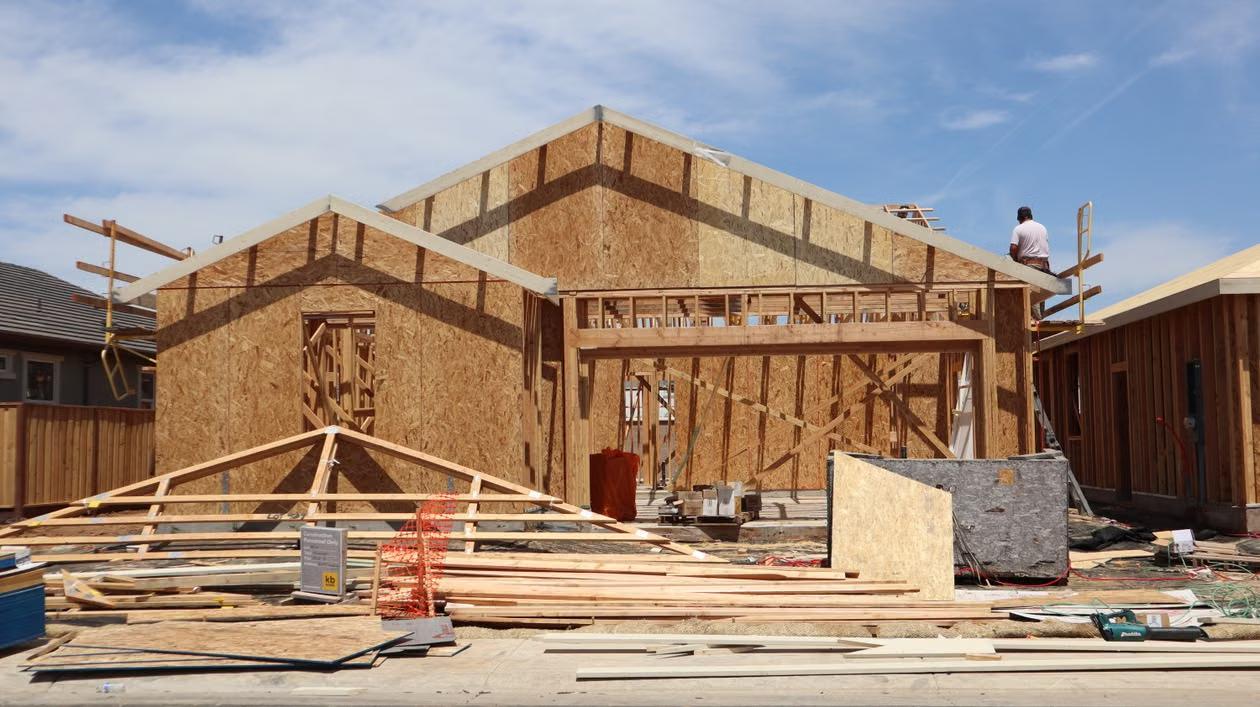
Ground-up construction projects offer strong profit potential, but they also require significant upfront capital and disciplined execution. Whether builders are developing single-family homes, small multifamily properties, or mixed-use assets, lenders apply strict criteria before approving funding. From traditional institutions to hard money lenders and private money lenders, today’s financing environment rewards preparation, transparency, and experience. Understanding what lenders expect allows builders to secure new construction loans efficiently and keep projects on schedule.
Understanding Ground-Up Construction Financing

Ground-up construction financing is designed to fund projects from land acquisition through completion. These loans typically cover land costs, vertical construction, and soft expenses until the property is sold or refinanced.
Many builders rely on private lenders for real estate or private hard money lenders because they offer faster approvals and flexible structures. New construction hard money loans are especially common when timelines are tight or projects do not yet qualify for bank financing.
Builder Experience and Track Record

Experience remains one of the most important factors lenders evaluate. Builders with a proven history of completed projects demonstrate their ability to manage contractors, budgets, and timelines.
Hard money lenders may still finance less experienced builders, but they often require higher equity contributions or smaller loan sizes. Private lenders for real estate investors tend to favor borrowers who have successfully completed similar projects in the same market.
Lenders also look at whether builders have experience transitioning from construction financing into long-term solutions such as private mortgage lenders or long term private money lenders.
Land Control and Project Location

Lenders expect builders to show clear control of the land, either through ownership or a binding purchase agreement. Free and clear land strengthens loan terms and reduces overall risk.
Location matters just as much. Builders working in active markets often find more flexibility when working with local private money lenders who understand regional demand. For example, construction financing in Grand Rapids or projects funded by hard money lenders in Colorado Springs are evaluated with close attention to local absorption rates, buyer demand, and pricing trends.
Construction Plans and Scope of Work
Detailed construction plans are mandatory for approval. Lenders expect professional drawings, engineering reports, and a clear scope of work that outlines materials, timelines, and labor needs.
This applies across financing types, whether the builder is seeking hard money loans for real estate or new home construction loans. Incomplete or vague plans increase the risk of delays and cost overruns, which lenders aim to avoid.
Builders who also work on fix and flip projects often apply the same discipline used for fix and flip financing to their ground-up developments.
Budget Accuracy and Financial Projections
A comprehensive budget is one of the most closely reviewed documents in construction lending. Lenders want to see realistic numbers that reflect current labor and material costs.
Budgets should include hard costs, soft costs, financing expenses, interest reserves, and contingency funds. Understated budgets can jeopardize draw approvals later in the project.
Private money lenders expect builders to demonstrate financial discipline and conservative assumptions, especially in volatile markets.
Loan-to-Cost and Equity Requirements
Construction lenders manage risk by limiting loan-to-cost and loan-to-value ratios. Builders are expected to contribute meaningful equity, ensuring they are financially invested in the project’s success.
Hard money construction loan programs typically finance a percentage of total project costs rather than the full amount. This approach aligns incentives and protects lenders if market conditions change before project completion.
Draw Schedules and Inspections
Unlike permanent loans, construction financing is disbursed through structured draw schedules. Funds are released in stages as construction milestones are completed.
Lenders require inspections before each draw, whether working with private lenders for home loans or hard money lenders for rental properties. Builders must plan cash flow carefully to avoid delays caused by inspection or documentation issues.
Efficient draw management is often what separates profitable projects from strained ones.
Market Analysis and Exit Strategy
Every construction loan requires a clear exit strategy. Lenders want to know how the loan will be repaid once the project is completed.
Common exits include selling the finished property or refinancing into permanent financing. Builders who plan to hold rental assets may refinance through hard money rental loans or transition to long-term options with private mortgage lenders.
Exit strategies should be supported by local market data, comparable sales, and rental demand analysis. Lenders view strong market fundamentals as a key risk mitigator.
Risk Management and Contingency Planning
Construction carries inherent risks, including weather delays, supply chain disruptions, and labor shortages. Lenders expect builders to acknowledge these risks and plan accordingly.
Contingency reserves, builder’s risk insurance, and reliable contractor relationships are standard requirements. Hard money lenders evaluate how well builders prepare for unexpected challenges. Proactive risk management improves lender confidence and keeps projects moving forward.
Financing Options Available to Modern Builders
Builders today have more financing options than ever before. Traditional banks, private lenders for real estate, and hard money lenders all serve different needs.
Private lenders often provide faster closings and flexible underwriting, while banks may offer lower rates but longer approval timelines. Builders who understand these tradeoffs can match financing sources to project goals.
Many successful builders maintain relationships with multiple lenders, allowing them to pivot between construction loans, fix and flip bridge loans, and long-term refinancing options as needed.
Building Long-Term Lender Relationships
Lenders value repeat borrowers who communicate clearly and deliver on projections. Builders who consistently meet budgets and timelines often receive better terms on future projects.
Strong relationships with local private money lenders can lead to smoother approvals, faster draws, and increased loan capacity over time.
Financing is not just transactional. It is a long-term partnership that grows with each successful project.
Final Thoughts
Financing ground-up projects requires more than access to capital. Lenders expect experienced execution, realistic budgets, strong market analysis, and transparent communication. Whether working with hard money lenders or private lenders for real estate investors, builders who understand lender expectations position themselves for sustainable growth. By preparing thoroughly and managing risk effectively, modern builders can secure the financing needed to turn development plans into completed properties.
Build with Confidence Using Smart Construction Financing from Insula Capital Group
Insula Capital Group connects builders with flexible new construction loans through experienced private money lenders and hard money lenders. Get funding aligned with your project timeline and market goals. Contact Insula Capital Group today to start your next build.