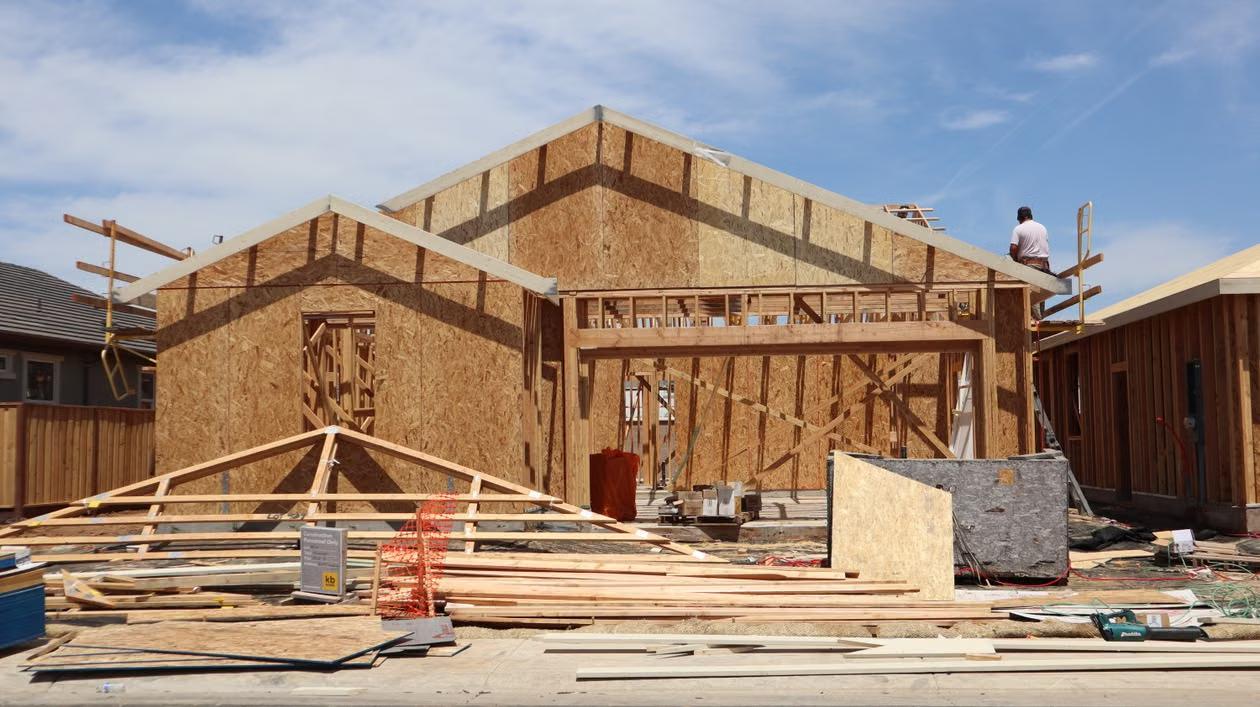
Short-term renovation projects continue to play a central role in many real estate investment strategies, particularly for fix-and-flip operators focused on speed, efficiency, and margin control. As financing options evolve, investors are increasingly evaluating DSCR loan short-term projects as an alternative to more traditional short-term lending structures. Understanding how these loans work, how they differ from conventional hard money, and how to qualify efficiently can significantly impact project outcomes and overall profitability.
This guide explores how DSCR loans apply to short-term renovation scenarios, outlines key underwriting considerations, and provides practical insights for investors navigating this financing approach in today’s market.
Understanding DSCR Loans in a Short-Term Renovation Context
DSCR mortgage loans are underwritten primarily based on a property’s income-producing potential rather than a borrower’s personal income. DSCR, or Debt Service Coverage Ratio, measures whether a property’s projected or existing income is sufficient to cover its debt obligations.
While DSCR structures are commonly associated with rental properties, they can also play a role in short-term renovation strategies under the right conditions. In these cases, underwriting often focuses on stabilized rental projections, exit strategies, and the property’s ability to support debt service upon completion rather than during renovation.
For investors pursuing short-term projects with a clear rental or refinance exit, DSCR loans may offer a structured alternative to more asset-based lending options.
DSCR Loans vs. Traditional Hard Money Financing
Fix-and-flip investors are often familiar with hard money financing, which prioritizes asset value, speed, and short loan terms. DSCR-based financing differs in several important ways.
Key distinctions include:
- Underwriting focus:DSCR loans emphasize property cash flow metrics rather than purely loan-to-value ratios.
- Documentation approach:Instead of relying on extensive personal income verification, underwriting focuses on rent projections, operating expenses, and debt coverage.
- Exit alignment:DSCR structures often assume a refinance or rental-based exit rather than immediate resale.
- Loan structure:DSCR financing may offer more predictable terms once the property is stabilized.
Investors evaluating DSCR loan requirements should understand that these loans are best suited for renovation projects where income stabilization is part of the strategy, rather than relying solely on rapid resale.

When DSCR Loans Make Sense for Short-Term Renovations
Not every fix-and-flip project aligns with DSCR underwriting, particularly when the investment strategy is centered on rapid resale rather than income stabilization. However, certain renovation scenarios are well-suited for this financing approach. DSCR loans are most commonly considered when a short-term renovation transitions into a rental or refinance strategy, and the property is expected to generate stable income shortly after completion.
This structure is often appropriate for investors who plan to hold the asset beyond the renovation phase and prioritize portfolio scalability over one-time project execution. In these cases, DSCR rental loans can serve as a bridge between renovation efforts and long-term investment objectives, allowing borrowers to qualify based on property performance while maintaining a cash-flow-focused underwriting framework.
Key Underwriting Factors Investors Should Prepare For
Understanding underwriting expectations is essential when pursuing DSCR financing for renovation projects. While criteria vary by lender, most evaluations focus on a consistent set of performance indicators.
Typical considerations include:
- Projected or in-place rental income
- Stabilized net operating income
- Property condition and renovation scope
- Market rent support
- Exit strategy clarity
Investors reviewing DSCR loan lenders should be prepared to present realistic projections and documentation that supports the property’s ability to service debt after renovation.
DSCR Loan Rates and Market Sensitivity
DSCR loan rates are influenced by several factors, including property type, market conditions, and perceived risk. For short-term renovation projects, rates often reflect the transitional nature of the asset and the timeline to stabilization.
Factors impacting pricing may include:
- Renovation duration
- Market volatility
- Lease-up assumptions
- Borrower experience
- Portfolio scale
While DSCR pricing may differ from traditional short-term loans, the tradeoff often comes in the form of longer-term flexibility and alignment with rental-based strategies.

Tips for Qualifying Efficiently and Maximizing Profitability
Efficiency is critical in short-term renovation projects. Investors pursuing DSCR-based financing can improve outcomes by preparing early and aligning project details with lender expectations.
Best practices include:
- Developing realistic post-renovation rent projections
- Controlling operating expenses to support DSCR ratios
- Clearly defining the stabilization timeline
- Maintaining organized documentation
- Selecting properties with strong rental fundamentals
By approaching DSCR loan short-term projects strategically, investors can reduce friction during underwriting and preserve capital for renovation execution.
Choosing the Right Lending Partner
Selecting experienced DSCR loan lenders is a crucial step in navigating short-term renovation financing successfully. Lenders with in-house underwriting and direct decision-making authority can provide greater clarity, faster approvals, and more consistent execution, especially when projects involve tight timelines and multiple moving parts.
Understanding how lenders evaluate DSCR loan requirements, interpret renovation risk, and structure transitions from renovation to stabilization can significantly influence both funding certainty and long-term returns.
Partner With Insula Capital Group
For investors evaluating DSCR-based financing for short-term renovation strategies, Insula Capital Group offers nationwide private lending solutions designed to support real estate investors across Pennsylvania and other emerging markets. With in-house underwriting, streamlined approvals, and flexible loan structures, the firm helps investors move efficiently from renovation planning to execution.
Whether you’re assessing DSCR mortgage loans, comparing DSCR loan rates, or structuring a transition from renovation to rental income, we provide the clarity, reliability, and market insight investors need to make informed decisions and execute with confidence.
Connect with us today to discuss DSCR loan options tailored to your investment strategy and long-term portfolio goals.