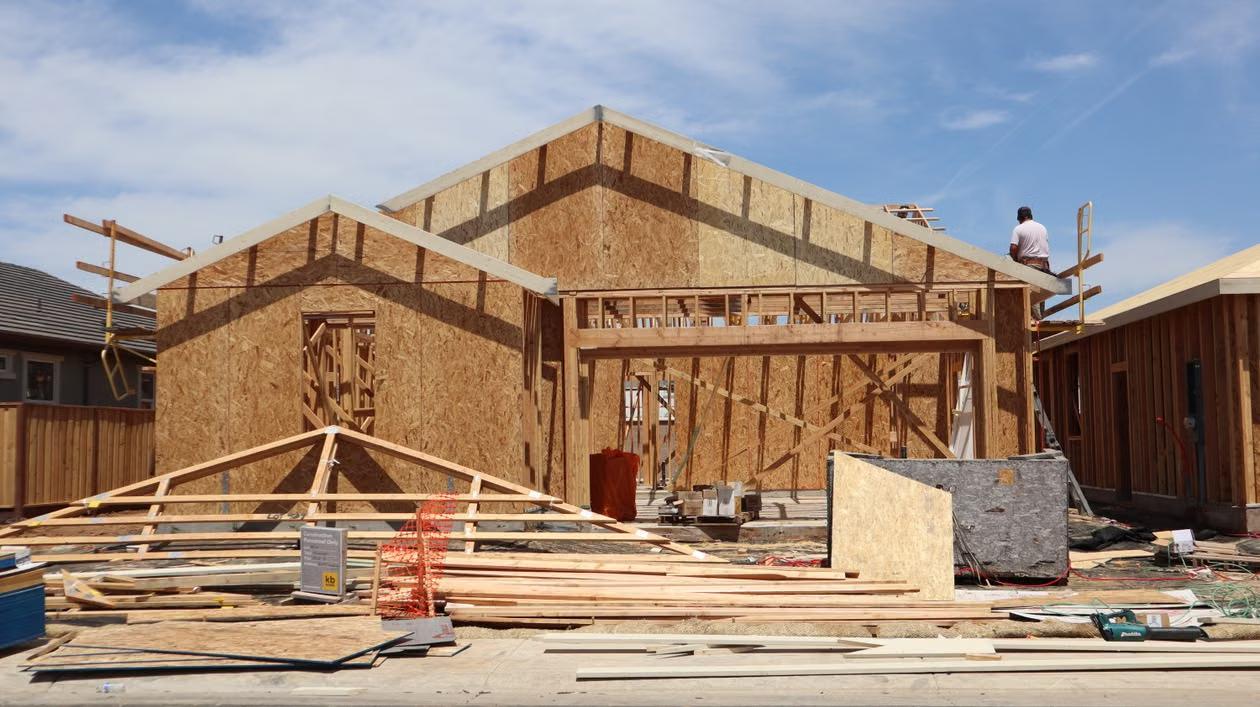
A construction deal can die from delays long before it dies from a bad idea. Sellers want certainty, contractors need deposits, and permits have timing windows. When a bank declines or moves too slowly, investors and developers often turn to hard money construction loans to keep the project alive and the schedule intact.
At Insula Capital Group, we fund projects based on the asset, the plan, and the ability to execute. If you are evaluating a build or major renovation, start with the structure and process that will control risk while still moving fast. Our new construction loans page outlines the kinds of projects we support and the information that typically helps us move quickly.
Why banks say no to construction
Banks decline construction for reasons that can feel disconnected from the deal. Many institutions prefer stabilized income because it is easier to underwrite. Construction introduces variables banks dislike: changing costs, evolving scopes, and timelines that can slip for reasons outside your control.
Common decline triggers include limited experience, lack of liquidity, incomplete permits, and appraisals that do not match the borrower expectations. Banks also have rigid documentation requirements. Even when the deal is solid, the timeline can be too slow for a competitive market.
How hard money construction underwriting works
Private construction underwriting is still disciplined, but it is built for execution. We focus on collateral, scope credibility, and the borrower ability to deliver.
Collateral starts with the property and the location. We consider the market, comparable sales, demand drivers, and how the finished product fits the neighborhood. Then we review the scope. A clear set of plans, a realistic line-item budget, and a schedule with milestones tells us whether the project is organized.
We also evaluate the team. A reliable general contractor, a history of completed projects, and strong subs matter. Liquidity and contingency planning are equally important. Construction rarely matches the first draft of the budget, so we want to see a contingency that is built into the plan, not added at the last minute.
Understanding the structure: leverage, term, and draws
Construction financing is not only about the rate. It is about the mechanics of funding.
Most projects are funded through a combination of initial funding and progress draws. The draw schedule is tied to completed work, verified by inspections or documentation. A clean draw process keeps contractors paid and prevents gaps that slow the timeline.
A practical way to keep draws smooth is to align milestones with real trade sequencing. Foundation, framing, rough-ins, drywall, and finish work are easier to verify than vague percentage completion estimates. We also encourage borrowers to keep a small buffer for items that do not always fit neatly in a draw, such as permit revisions, temporary utilities, or minor scope upgrades that protect resale value. Builder risk coverage, clear invoicing, and prompt inspection access reduce back-and-forth. When the draw package is consistent, contractors stay paid, the schedule stays intact, and the project remains financeable even as conditions change.
Leverage is usually described through loan-to-cost and loan-to-value concepts. The right leverage depends on the project type, the market, and the borrower experience. Higher leverage can make sense for experienced operators with strong margins, but it should never eliminate the contingency buffer.
Term selection matters because the clock is real. If the term is too short, you will be negotiating extensions while trying to finish the project. We prefer terms that include enough runway for realistic execution plus a cushion for normal delays.
This is where new construction hard money loans can be a practical fit. They are designed for situations where speed and flexibility matter, while still using a structured draw process that protects the lender and the borrower.
The developer checklist that speeds up approvals
The fastest approvals happen when the file is complete. We recommend preparing a lender-ready package before you ask for terms.
Include plans and permits or a clear plan for obtaining them. Provide a line-item budget that matches the scope. Include contractor bids and proof of insurance. Add a realistic schedule that shows phases, inspections, and delivery dates.
Also include a simple deal summary: acquisition basis, planned improvements, target exit, and what supports the projected value. If the project involves entitlement work, include timeline assumptions and supporting documentation. Clarity up front prevents rework later.
Keeping the project on schedule when surprises show up
Construction rarely goes exactly as planned. Strong projects are defined by how quickly issues are surfaced and solved.
The most common schedule killers are change orders, material delays, and inspection bottlenecks. The solution is proactive communication and a budget that assumes some friction. A change order does not have to be a disaster if contingency exists and the timeline has a buffer.
Treat documentation as part of the build. When invoices, lien waivers, and progress photos are organized, draws move faster. If the timeline slips, update the schedule immediately and explain the correction plan.
Planning the exit before you break ground

Every construction loan should start with an exit plan. The exit is what transforms the project into a completed investment.
There are three common exits: sell the finished product, refinance into longer-term debt, or hold and operate. Each exit requires different documentation and timing. Selling requires marketing lead time. Refinancing requires finished inspections and clear proof of value. Holding requires stabilized operations and a plan for management.
We like to see a short list of takeout options, including target lenders, required seasoning, and the documents you will produce at completion time.
This is where new home construction loans should be evaluated in context. The best structure is the one that matches your likely exit, not the one with the most aggressive leverage on paper.
Before closing, model time and cost sensitivity. What happens if the build takes two months longer. What happens if the sales price is five percent lower. If the project still works under those stress tests, you are starting from a position of strength.
Build Faster Without Cutting Corners

When banks decline, it does not automatically mean the deal is bad. Often it means the deal does not fit a traditional box or the timeline does not fit a bank workflow. Private construction financing can provide the speed and flexibility needed to keep a project moving, while still using a disciplined draw process and realistic underwriting.
If you are comparing hard money lenders in the USA, focus on process as much as pricing. Ask how draws are handled, what documentation is required, and how timelines are managed when unexpected issues appear.
As hard money lenders in Long Island, NY, we understand the urgency that competitive markets create, and we lend nationwide with an execution-first mindset. If you are ready to move forward, you can start with our quick application to share the basics of your project.
If you want to discuss construction terms, draw logistics, and a clear path to funding, please contact us.