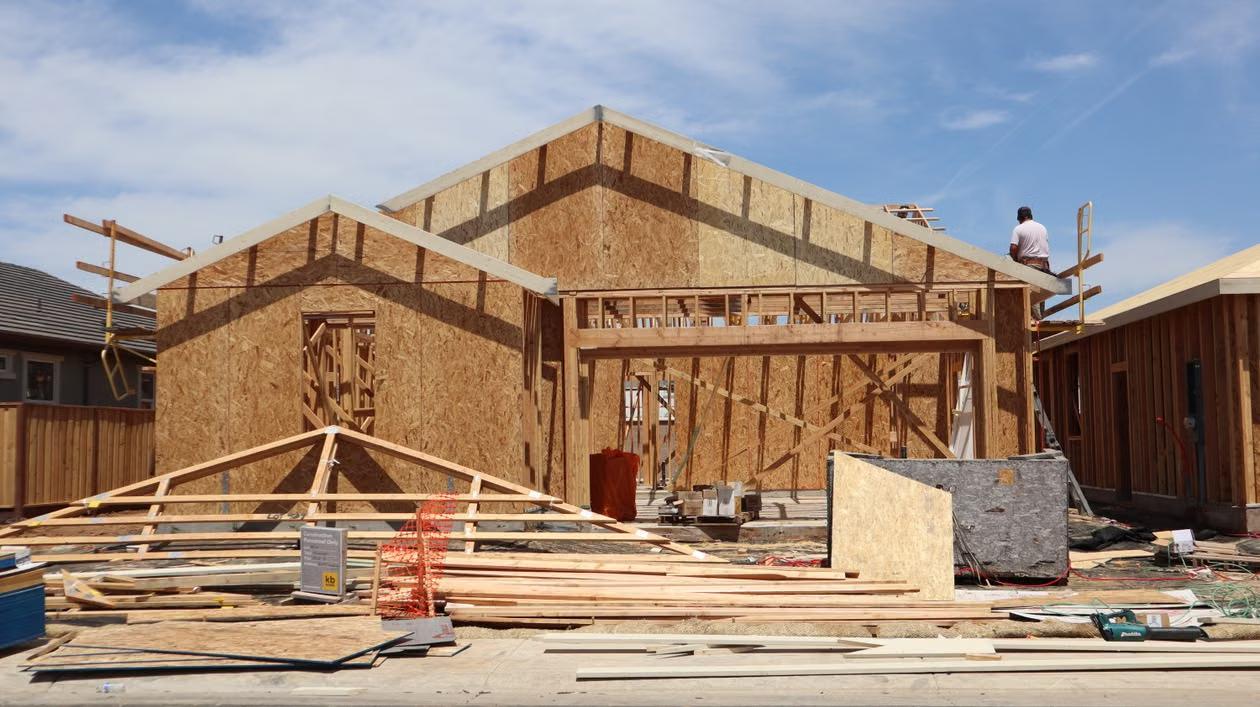
A developer secures a parcel of land in a growing neighborhood. The plans are approved. Contractors line up. Materials get priced. The vision looks solid. Yet the project will only move forward if financing aligns with the build schedule.
This is where new construction loans play a central role. Unlike traditional mortgages, these loans support projects built from the ground up. They fund land acquisition, labor, materials, and phased construction costs.
The structure of new construction loans determines how funds flow, how milestones get tracked, and how timelines stay on course. This article explains how these loans work, how draw schedules function, and why disciplined financing remains essential for builders and investors.
Understanding How New Construction Loans Work
Ground-up construction financing differs from buying an existing property. New construction loans support projects that begin with raw land or teardown sites and end with a completed structure ready for sale or occupancy.
Funding often covers:
- Land acquisition
- Site preparation
- Labor and contractor payments
- Materials and supplies
- Permits and municipal fees
Lenders evaluate loan-to-cost (LTC) and loan-to-value (LTV) ratios. LTC measures the total project cost compared to the loan amount. LTV considers the projected completed value.
Most new construction loans carry terms between 9 and 18 months. These shorter durations align with build cycles.
Some investors use a hard money construction loan when projects require faster approval or involve complex conditions. Regardless of lender type, funds are released in stages. Borrowers do not receive a lump sum at closing. Structured disbursement keeps capital aligned with progress.
Draw Schedules in New Construction Loans Explained
A draw schedule outlines when and how lenders release funds during construction. Instead of issuing full loan proceeds upfront, lenders distribute money based on completed milestones.
Common phases include:
- Site preparation and foundation
- Framing
- Roofing and exterior work
- Interior systems such as plumbing and electrical
- Final inspection and completion
Before each draw, an inspector confirms that work meets agreed standards. The lender then releases the next portion of funds.
This milestone-based structure protects both parties. Builders avoid overfunding early stages. Lenders ensure that capital matches verified progress.
Draw schedules also create accountability. Contractors must meet benchmarks before receiving payment. Clear timelines and documented inspections reduce disputes and improve oversight.
For disciplined developers, structured draws support organized project management and predictable cash flow.
Construction Timelines and Risk Management
Every ground-up project depends on realistic scheduling. Weather conditions can delay foundation work. Material shortages may affect framing or finishing. Contractor availability also influences timing.
Lenders review projected build timelines carefully. They evaluate feasibility based on local market conditions and construction scope.
Some investors choose new construction hard money loans when they need quicker approvals or when banks require extended underwriting. These structures can help projects start sooner, though they may carry higher rates.

Developers must also budget contingency reserves. Unexpected expenses arise in most builds. A disciplined plan accounts for delays and cost adjustments.
Strong coordination between lender, builder, and borrower supports smoother execution and reduces financial strain during construction.
Comparing Traditional and Hard Money Construction Lending
Traditional banks and private lenders approach construction lending differently.
Banks typically require detailed financial documentation, feasibility studies, and conservative appraisals. Approval timelines often extend several weeks or months. Borrowers must meet strict income and credit criteria.
Private lending, often associated with hard money loans, emphasizes asset value and project viability. Approval can move faster. Documentation standards may focus more on a project’s strength than on personal income history.
Each structure carries trade-offs. Banks may offer lower rates but stricter oversight. Private options may provide speed and flexibility at a higher cost.
Experienced builders assess project urgency, complexity, and capital availability before choosing a path. Balanced evaluation leads to stronger financing decisions.
Key Costs to Factor Into New Construction Loans
Builders must evaluate the full cost structure before applying for new construction loans.
Major expenses include:
- Land purchase
- Architectural and design plans
- Engineering reports
- Permit and impact fees
- Labor and materials
- Carrying costs during construction
Carrying costs often include interest payments, property taxes, and insurance.
Some lenders establish interest reserves within the loan structure. This reserve covers interest during construction and prevents cash strain while the property generates no income.
Accurate budgeting remains essential. Underestimating expenses can erode projected profit. Thorough cost planning strengthens both approval prospects and financial outcomes.
Exit Strategies and Repayment Planning for New Construction Loans
Every ground-up project needs a clear exit plan before construction begins. New construction loans typically have short-term structures, meaning repayment depends on timely completion and a defined outcome.
Developers usually rely on one of three exit strategies:
- Sale of the completed property
- Refinance into long-term permanent financing
- Portfolio retention with stabilized cash flow
Lenders evaluate this exit plan during underwriting. They assess projected market value, buyer demand, and rental potential. A weak exit strategy raises concerns, even if construction plans look solid.
Builders must also consider market timing. If resale conditions soften, holding periods may extend. That shift increases carrying costs and interest exposure.
Clear repayment planning strengthens approval odds and protects investor margins. When financing aligns with a well-defined exit, projects move forward with greater financial control.
Common Mistakes in Ground-Up Financing
Builders sometimes underestimate material and labor costs. Price fluctuations can quickly increase total project expenses.
Others overestimate the final sale value. Optimistic projections reduce margin safety.
Timeline overruns create additional holding costs. Delays extend interest payments and insurance expenses.
Contractor selection also affects outcomes. Poor coordination can disrupt milestone completion and delay draw releases.
Insufficient contingency reserves leave little room for adjustment. Developers who plan conservatively reduce exposure to unexpected setbacks.
Ground-up construction demands precise financial preparation and disciplined oversight.
Structure Your Construction Financing Before You Break Ground
New construction loans require careful planning and realistic forecasting. Developers must align financing with project scope, timeline, and market demand before construction begins.
Detailed budgets, structured draw schedules, and coordinated milestone tracking protect profit margins. Lenders evaluate preparedness as closely as they evaluate property value.
Investors who approach construction financing with discipline gain stronger control over cost, timing, and execution.
Connect with Insula Capital Group to explore flexible new construction loans designed to support disciplined, well-planned ground-up projects.