Single-family rental investing has always been viewed as one of the more accessible ways to build long-term wealth in real estate. However, the strategy investors are using today looks very different from even a few years ago. Rising interest rates, tighter lending conditions, and shifting rental demand have pushed investors to rethink how they acquire, finance, and hold properties.
Instead of relying on appreciation or aggressive leverage, many investors are now focusing on structured, cash-flow-first strategies supported by more flexible financing methods. The goal is no longer just ownership; it is sustainable monthly income that can withstand market cycles.
A Shift From Growth-First to Cash-Flow-First Investing
Traditionally, many investors prioritized rapid portfolio expansion. Buying multiple properties quickly and banking on appreciation was a common approach. While this worked in certain market conditions, it has become less predictable in today’s environment.
Now, investors are focusing on cash flow as the foundation of their strategy. This means:
- Prioritizing rental income stability
- Evaluating expenses more conservatively
- Reducing unnecessary leverage
- Avoiding over-renovation
- Holding properties longer
The emphasis has shifted from “how fast can I grow?” to “how stable is my income?” This change has also influenced how deals are financed from the beginning.
Financing Is Now a Strategic Tool, Not Just a Step
One of the biggest changes in modern single-family rental investing is how financing is used. Instead of being treated as a simple requirement for purchase, financing is now part of the investment strategy itself.
Investors are structuring deals around flexibility, not just affordability. That includes planning for acquisition, renovation, stabilization, and long-term hold within one financing roadmap.
Short-term funding options are often used during the early stages of a project, especially when speed matters in competitive markets. This allows investors to secure properties that may not qualify for traditional lending due to condition or timing constraints.
The Role of Value-Add Renovation in Modern Rentals
Renovation is still a critical part of the strategy, but the approach has become more disciplined. Instead of high-end remodels, investors are focusing on value-driven improvements that directly impact rentability and durability.
Common upgrades include:
- Kitchen and bathroom updates
- Flooring replacements
- Energy-efficient systems
- Roof and structural repairs
- Exterior improvements
The goal is not to over-improve the property but to make it durable, functional, and attractive to long-term tenants. Many investors now use structured funding solutions like fix and flip financing to manage renovation phases more efficiently before transitioning into rental hold strategies.
Refinancing as a Core Part of the Plan
Refinancing is no longer an afterthought. It is now a planned stage of the investment process. Investors are entering deals with a clear understanding of how and when they will refinance into long-term rental debt.
Once a property is stabilized with tenants and consistent rental income, refinancing helps:
- Lock in long-term financing
- Improve monthly cash flow
- Recover initial capital
- Fund additional acquisitions
This recycling of capital is what allows investors to scale without constantly injecting new personal funds.
Portfolio Scaling Through Repeatable Systems
The modern single-family rental strategy is built around repetition. Investors are no longer treating each deal as an isolated opportunity. Instead, they are building systems that can be repeated across multiple properties.
A typical cycle may look like:
- Acquire undervalued property
- Renovate strategically
- Stabilize with tenants
- Refinance into long-term debt
- Reinvest capital into the next deal
This structured approach creates predictability, which is essential in a higher-rate environment where margins can be tighter.
Risk Management Is Becoming More Important
As financing costs increase, risk management has become a central part of investment decision-making. Investors are being more selective about:
- Location quality
- Tenant demand strength
- Property condition
- Exit strategy clarity
- Debt structure sustainability
Rather than chasing volume, many are prioritizing stability and consistency. This approach reduces exposure to vacancies, unexpected repair costs, and refinancing challenges.
The Importance of Flexible Financing Options
Traditional financing does not always align with the speed or structure required in modern real estate investing. As a result, many investors are turning to alternative financing methods to support their strategies.
Short-term capital solutions such as fix and flip loans are often used for acquisitions and renovations where timing is critical. These loans allow investors to compete in fast-moving markets without waiting for lengthy underwriting processes.
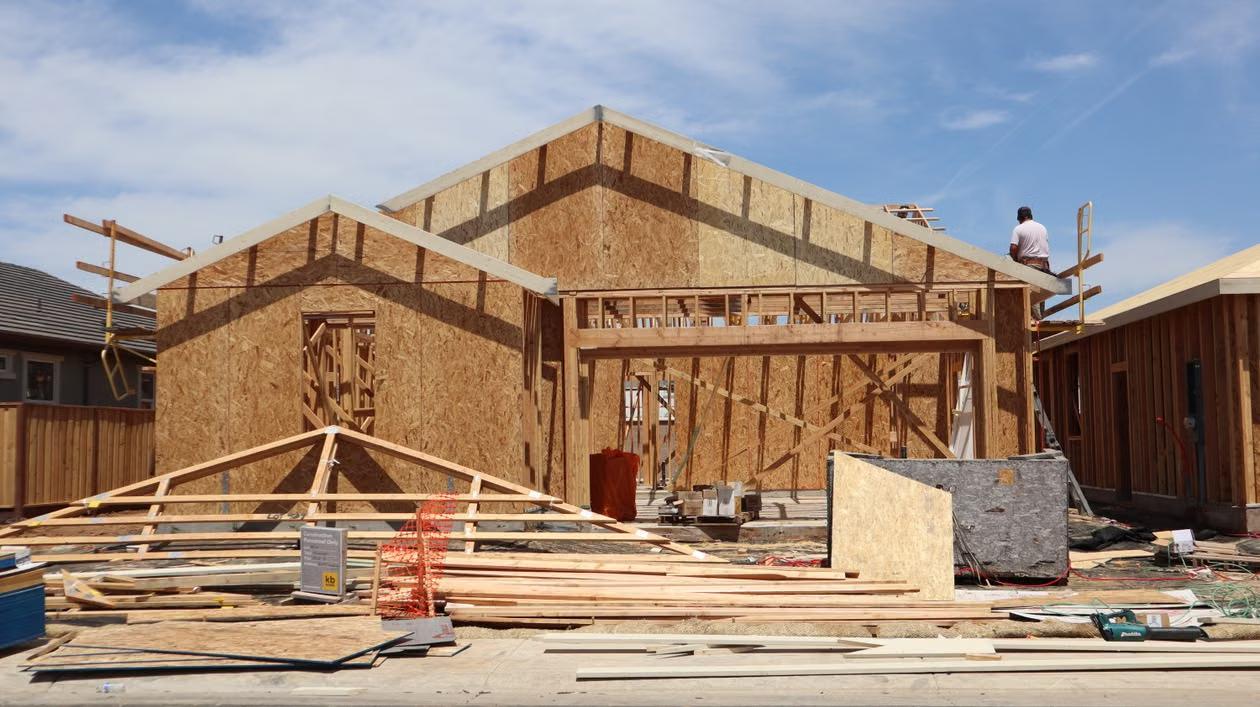
For long-term holdings, investors may transition into structured rental financing after stabilization. In some cases, development-focused investors rely on new construction loans when building rental properties from the ground up, ensuring they can control both design and cost efficiency from the beginning.
Why This Strategy Is Gaining Momentum
This new approach to single-family rentals is gaining popularity because it is more adaptable. It does not rely on a single market condition to succeed. Instead, it focuses on controllable factors like financing structure, renovation discipline, and rental demand.
Investors are finding that when deals are structured correctly, even modest properties can generate consistent long-term income.
The combination of disciplined acquisition, strategic renovation, and structured financing is helping investors build portfolios that are more resilient and scalable.

At Insula Capital Group, we understand how important flexible financing is for building a strong rental portfolio in today’s market. We provide access to fix and flip loans that help investors move quickly on value-add opportunities without unnecessary delays. Through our hard money construction loans, we support investors who are building or repositioning properties from the ground up. We also offer solutions like new construction loans for developers looking to scale efficiently.