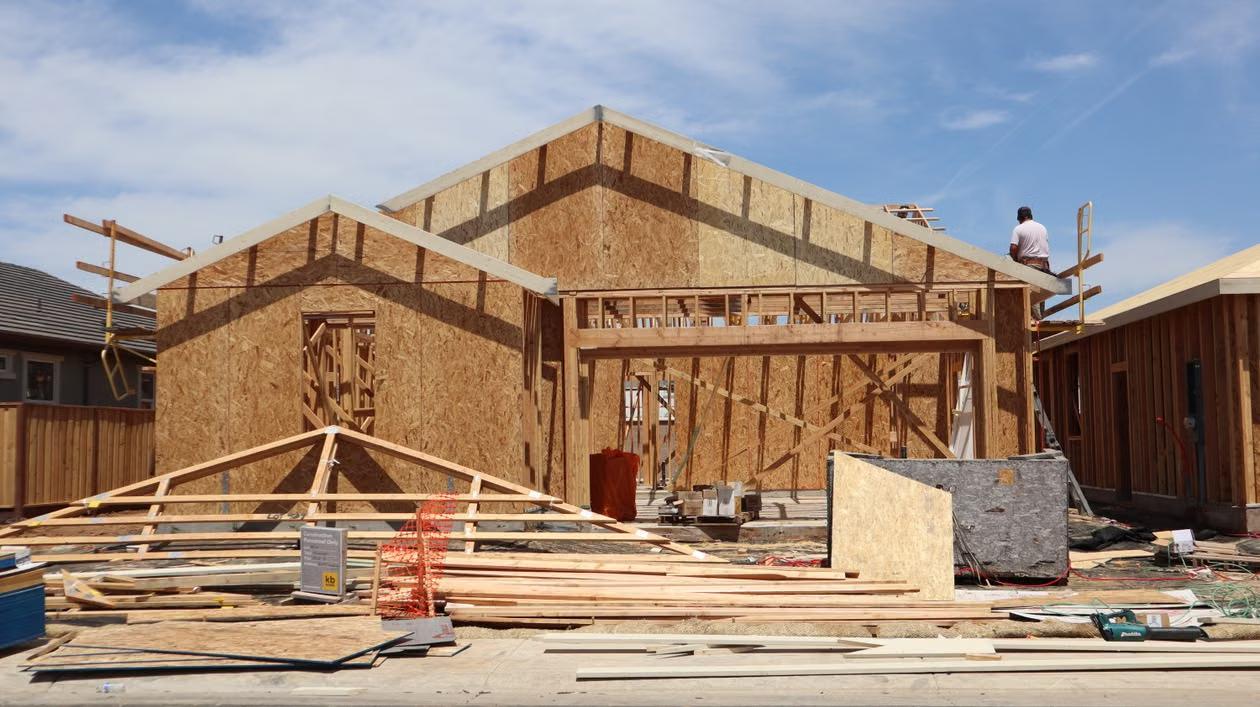
Construction development in 2026 is no longer just about securing financing and starting a project. Developers today are operating in a market shaped by fluctuating costs, tighter timelines, labor challenges, and evolving lender expectations. As a result, experienced builders are becoming increasingly intentional about how they structure and manage construction funding.
Instead of relying on outdated financing models, developers are employing smarter loan strategies designed to enhance flexibility, preserve working capital, and minimize delays throughout the project lifecycle.
The focus has shifted from simply obtaining funding to building financing systems that support long-term project stability.
Developers Are Structuring Financing Around Project Phases
One major shift in 2026 is the way developers organize funding around specific project stages rather than treating the entire build as one continuous process.
Developers are separating financing into phases, such as:
- Acquisition and site preparation
- Permitting and approvals
- Vertical construction
- Completion and stabilization
This staged approach improves cash flow management and allows developers to monitor expenses more accurately throughout construction.
Breaking projects into phases also makes it easier to adapt when market conditions or project timelines change unexpectedly.
Interest Carry Strategies Are Becoming More Important
Higher financing costs have made interest management a larger priority for developers. Rather than borrowing maximum amounts upfront, many developers are drawing funds gradually to reduce unnecessary interest exposure during early project stages.
This approach helps lower carrying costs while keeping more capital available for operational flexibility. Developers are also paying closer attention to how loan terms interact with construction schedules. Delays now have a more noticeable impact on profitability than they did in lower-rate environments.
Developers Are Using More Adaptive Financing Solutions
Construction rarely unfolds exactly according to plan. Because of this, rigid financing structures can create unnecessary complications during development. Many developers are now using financing solutions that provide faster approvals and more flexibility during changing project conditions.
For example, some projects are funded through new construction hard money loans, especially when developers need quicker access to capital or are working with unconventional project structures. These financing solutions can help developers maintain momentum when timing becomes critical.
Budget Transparency Is Driving Better Financing Decisions
Developers in 2026 are relying more heavily on detailed cost forecasting before financing is finalized.
Modern budgeting now includes:
- Labor escalation projections
- Material price forecasting
- Contingency planning
- Utility connection estimates
- Delayed inspection scenarios
Accurate forecasting helps developers avoid mid-project funding gaps that can stall construction progress. Lenders are also increasingly favoring borrowers who demonstrate stronger financial planning and organized reporting systems.
Renovation and Redevelopment Are Competing With Ground-Up Construction
Many experienced developers are expanding beyond traditional ground-up builds and targeting redevelopment opportunities instead. Repositioning older or underperforming properties can sometimes reduce acquisition costs while accelerating project timelines.
In these situations, financing structures such as fix-and-flip bridge loans may help developers acquire and renovate properties before either selling or transitioning them into income-producing assets. Developers are becoming more selective about where full-scale new construction makes financial sense versus where redevelopment creates stronger margins.
Construction Timelines Are Being Simplified
Complexity has become expensive. In response, many developers are simplifying project designs and construction processes to reduce delays and financing pressure.
This includes:
- Streamlined floor plans
- Standardized materials
- Faster permitting pathways
- Smaller build phases
- Simplified contractor coordination
Reducing unnecessary complexity often improves both construction speed and financial predictability.
Financing Relationships Are Becoming Long-Term Partnerships
Developers are increasingly prioritizing financing consistency rather than shopping for completely new lenders with every project.
Long-term financing relationships may help improve:
- Approval efficiency
- Communication during delays
- Access to future capital
- Loan structure flexibility
Experienced developers understand that stable financing relationships can become a competitive advantage in changing markets.
Rental-Focused Development Is Growing
Another noticeable trend in 2026 is the continued rise of build-to-rent development strategies. Instead of constructing properties solely for resale, many developers are creating long-term rental inventory to generate recurring income.
This strategy often requires different financing planning because developers may eventually refinance into rental-focused debt structures after project stabilization. Some investors begin with hard money loans for real estate during development phases before transitioning into long-term rental financing once occupancy stabilizes. This approach allows developers to combine development profits with long-term cash flow generation.

At Insula Capital Group, we help developers throughout the United States structure financing around real construction challenges and timelines. Our team provides access to new construction hard money loans for projects that require flexible funding and faster execution. We also support redevelopment opportunities with practical fix-and-flip bridge loans designed for acquisition and property improvement phases. For developers expanding rental-focused portfolios, our financing solutions include hard money rental loans that support long-term investment strategies. We also offer new home construction loans for residential builders seeking scalable funding solutions. Whether the project involves redevelopment, ground-up construction, or long-term investment growth, we focus on financing structures built for today’s development environment.