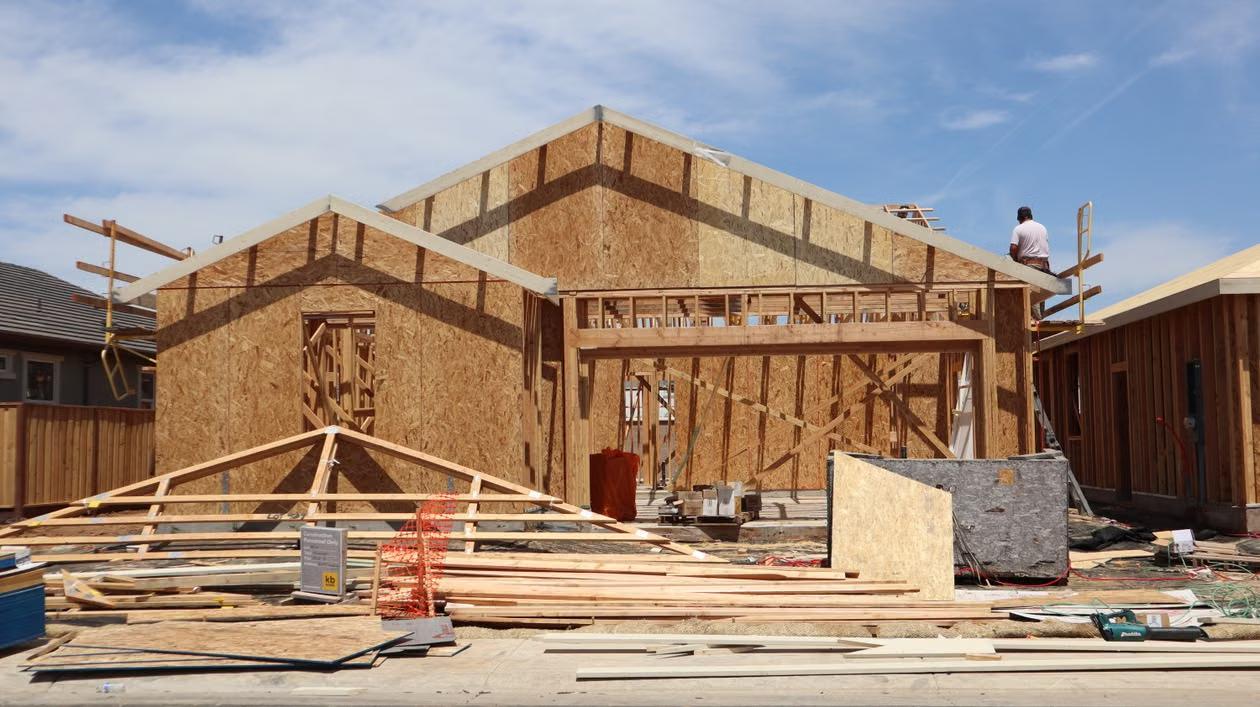
New home construction loans are playing a major role in how investors are reshaping their strategies, but more capital is now flowing toward infill lot development instead of competitive MLS properties. Rising acquisition costs, tighter margins, and stronger competition in resale markets are pushing investors to rethink where profits are truly more controllable. As a result, many are shifting away from traditional flips and focusing on ground-up construction for greater stability and planning control.
MLS Flips Are Becoming Harder to Source Profitably
The MLS market has become increasingly competitive. Properties that once offered reliable margins are now attracting multiple investors, often driving prices beyond practical renovation budgets.
This bidding pressure reduces upside potential before renovation even begins. Even when a deal is secured, limited room for error remains due to rising labor and material costs.
Infill Lots Provide More Control From the Start
Infill lots allow investors to build new homes from the ground up rather than adjust existing structures. This creates full control over design, layout, and material selection.
Instead of working around outdated floor plans or hidden structural problems, investors can plan projects based on current buyer demand. Budgets become clearer because they are based on planned construction rather than uncertain renovation conditions.
Many investors working with new home construction loans prefer this model because it reduces unexpected costs and improves financial forecasting.

Reduced Competition at Acquisition Stage
Unlike MLS properties, infill lots are often sourced off-market or through specialized listings. This reduces competition and allows investors more time to evaluate each opportunity.
Without constant bidding wars, acquisition decisions become more strategic. Investors can focus on long-term returns rather than reacting to market pressure.
Construction Offers Greater Predictability
New home construction follows a structured process with clearly defined phases. This makes it easier to plan timelines, coordinate contractors, and manage budgets.
While delays can still occur due to permits or supply chain issues, the scope of work is more controlled compared to renovation projects. There are no hidden repairs or unexpected structural issues that often impact flips.
This predictability helps investors maintain better oversight across multiple projects.
Financing Structures Support Construction Growth
Funding options have evolved to support this shift toward ground-up development. Many investors rely on hard money loans for real estate to finance both acquisition and construction phases.
These financing structures are designed for shorter project cycles, allowing investors to move from purchase to completion efficiently. Once the build is finished, investors can choose between resale or refinancing depending on market conditions.
Stronger Control Over Final Product
One of the biggest advantages of infill development is control over the final product. Investors can design homes that match current buyer expectations instead of adapting outdated structures.
Modern layouts, energy-efficient systems, and updated finishes can be included from the start. This improves market appeal and helps position the property competitively once completed.
Lower Risk From Hidden Repairs
Renovation projects often come with unexpected issues such as foundation damage, plumbing failures, or outdated electrical systems. These problems can significantly increase costs and extend timelines.
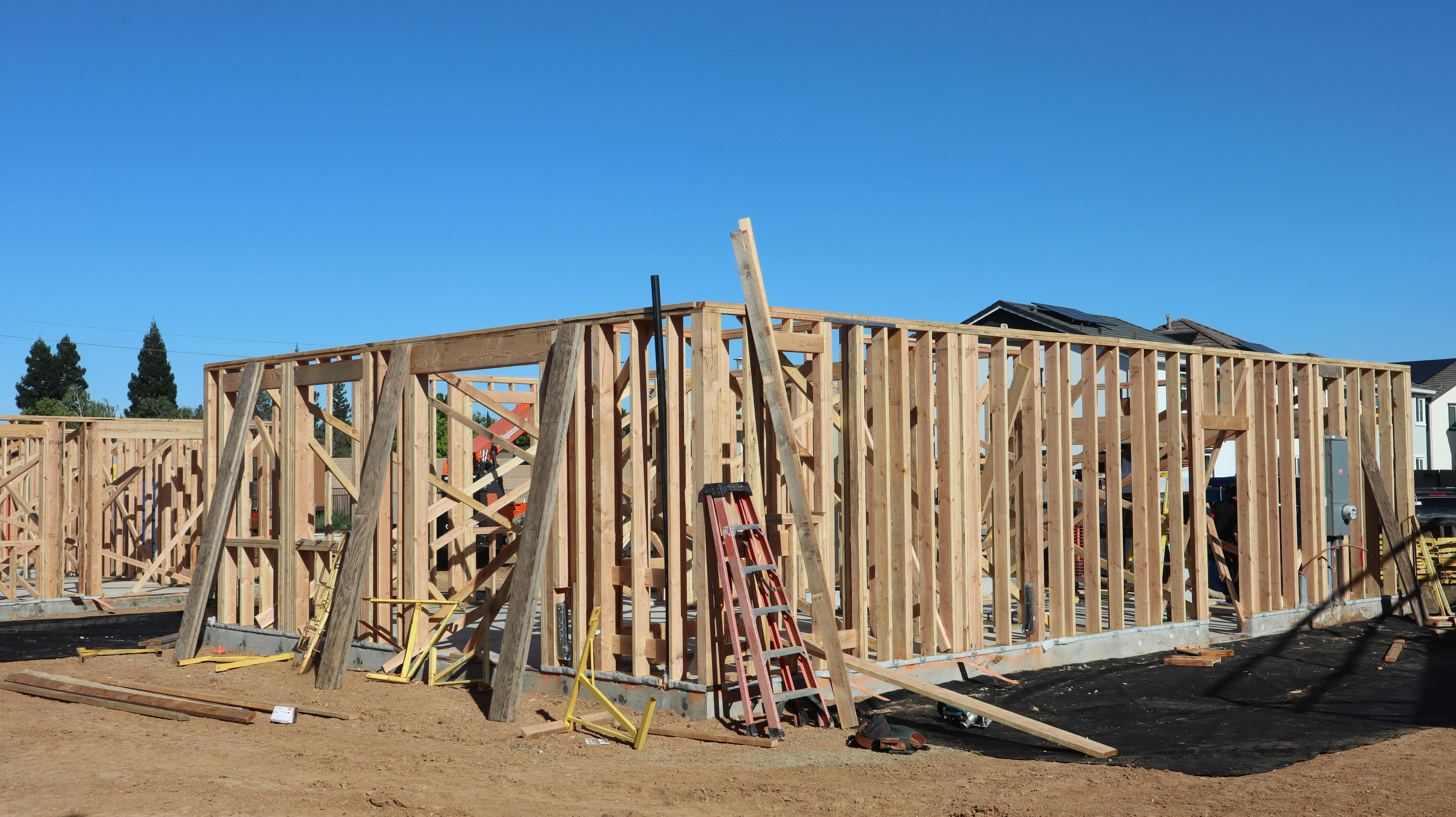
Infill construction reduces these risks because everything is built anew. While construction risks still exist, they are generally more predictable and easier to manage through planning and oversight.
Better Alignment With Buyer Demand
New homes tend to perform well in resale markets because they meet modern expectations. Buyers prefer properties that require minimal maintenance and include updated features.
This alignment increases resale potential and often reduces time on market compared to older flipped properties that may need additional updates or compromises.
Flexible Exit Strategies After Completion
Infill projects offer multiple exit options depending on market conditions. Investors can sell upon completion, hold as rental properties, or refinance for long-term income.
This flexibility reduces reliance on a single resale outcome and provides stronger protection against market fluctuations. Having multiple exit paths helps maintain stability across changing conditions.
Scale With Smarter Capital
The shift from MLS flips to infill lot construction reflects a broader move toward control, predictability, and stronger financial planning. Investors using fix-and-flip financing and structuring deals through new home construction loans are increasingly choosing construction-based strategies over competitive resale markets.
Insula Capital Group offers financing solutions designed to support investors transitioning into new home construction while maintaining stability, speed, and confidence throughout every stage of development. Check out our loan application process.
Contact us today.