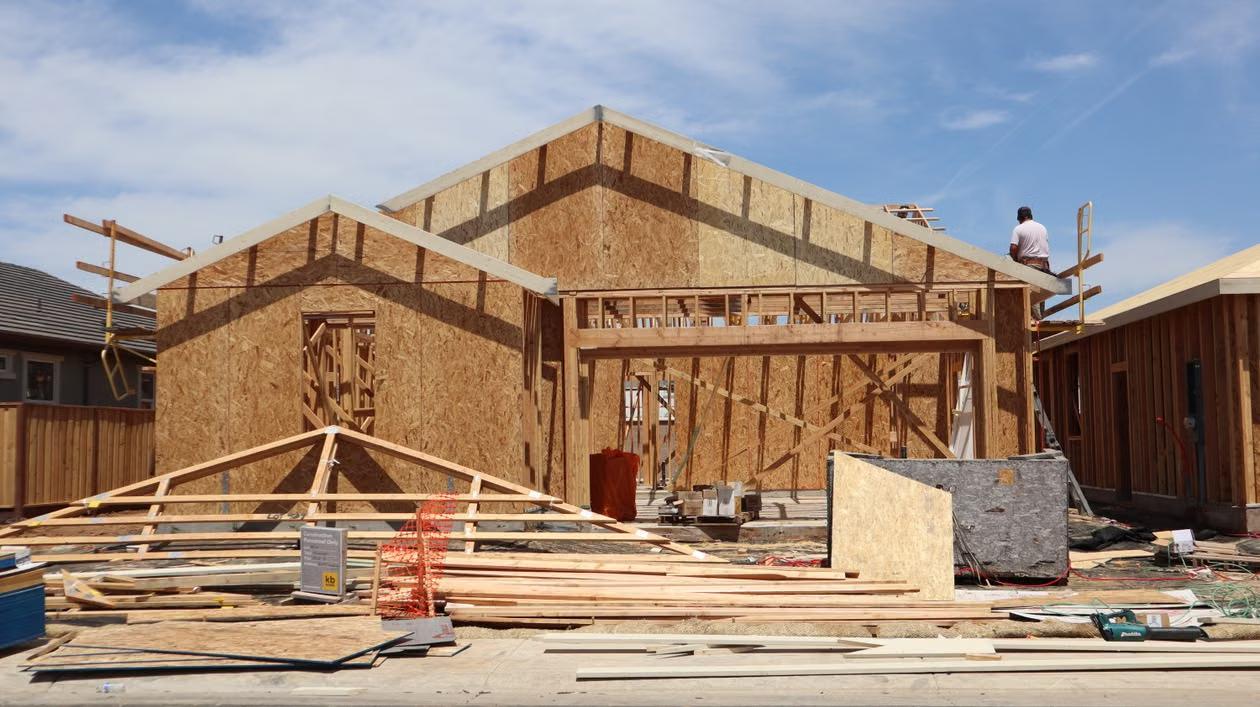
Growing a real estate investment business often brings an important question: how many projects can you manage at the same time without sacrificing quality or profitability? While access to fix-and-flip loans may allow investors to acquire multiple properties, successful project management requires much more than funding. Time, experience, systems, and reliable contractors all play a major role in determining the right number of active projects.
Experience Makes a Significant Difference
Investors new to flipping properties often underestimate the amount of coordination involved. Managing contractors, scheduling inspections, ordering materials, tracking budgets, and handling unexpected repairs can quickly become overwhelming.
For beginners, one project is usually enough. Completing a full renovation cycle provides valuable knowledge about timelines, budgeting, and risk management. After successfully finishing several projects, investors often develop processes that allow them to take on additional properties with greater confidence.
Consider Your Available Time
Time is one of the biggest factors affecting project capacity. Investors who flip properties full-time generally have more flexibility than those balancing renovations alongside another career.
Each project requires ongoing attention. Contractor questions, permit issues, delivery delays, and unexpected repairs can occur at any stage. When several projects require immediate decisions at the same time, investors may struggle to keep everything moving efficiently.
The Strength of Your Team Matters
A strong team often determines whether managing multiple projects is practical. Reliable contractors, project managers, inspectors, and real estate professionals help keep renovations organized and on schedule.
Investors who attempt to handle every task personally may find their capacity limited. On the other hand, those with dependable support systems can often oversee several properties at once because responsibilities are shared effectively.
Building long-term relationships with contractors can also improve communication and reduce scheduling conflicts. Consistent teamwork often leads to better project outcomes and fewer surprises.
Financial Resources Influence Capacity
Managing several renovations requires sufficient capital reserves. Even with fix-and-flip loans, investors must prepare for unexpected expenses, carrying costs, and potential timeline extensions.
Many projects encounter issues that increase renovation budgets. Structural repairs, permitting delays, or material price increases can affect profitability if adequate reserves are not available.
Investors should avoid stretching finances too thin. Maintaining healthy cash reserves helps ensure that one project’s challenges do not negatively impact another project’s progress.
Systems Create Scalability
Successful investors often rely on documented systems rather than memory alone. Standardized budgets, contractor agreements, project checklists, and reporting processes create consistency across multiple renovations.
Without systems, details can be missed. Small oversights may lead to expensive corrections or delayed completion dates. Organized processes help investors monitor project status, track expenses, and identify problems early.

Warning Signs You Have Too Many Projects
Investors sometimes expand too quickly after a few successful flips. While growth can be positive, there are clear indicators that capacity has been exceeded.
Missed contractor meetings, delayed decisions, rising renovation costs, and increasing stress levels may signal that too many projects are active simultaneously. Frequent budget overruns and communication breakdowns are additional warning signs.
If project quality begins to decline, it may be time to reduce the number of active renovations and focus on improving operational efficiency before pursuing additional opportunities.
Finding the Right Number
There is no universal formula for determining project capacity. Some investors successfully manage two properties, while others handle ten or more. The appropriate number depends on experience, team strength, available capital, organizational systems, and personal time commitments.
A practical approach is gradual growth. Add one additional project only after the current operations remain organized and profitable. This method allows investors to identify weaknesses and improve processes without creating unnecessary risk.
Consistent success is often more valuable than rapid expansion. Investors who grow carefully are generally better positioned for long-term profitability and sustainable results.
Funding Solutions for Growing Investors
Managing multiple renovation projects requires balance, planning, and realistic expectations. Whether working with private lenders for real estate investors, seeking support from hard money lenders for new investors, or securing fix-and-flip financing, growth should align with your resources and operational capacity. If you are ready to fund your next project with confidence, Insula Capital Group can help provide financing solutions designed to support your investment goals while keeping your business moving forward. Check out our loan application process.
Contact us today.