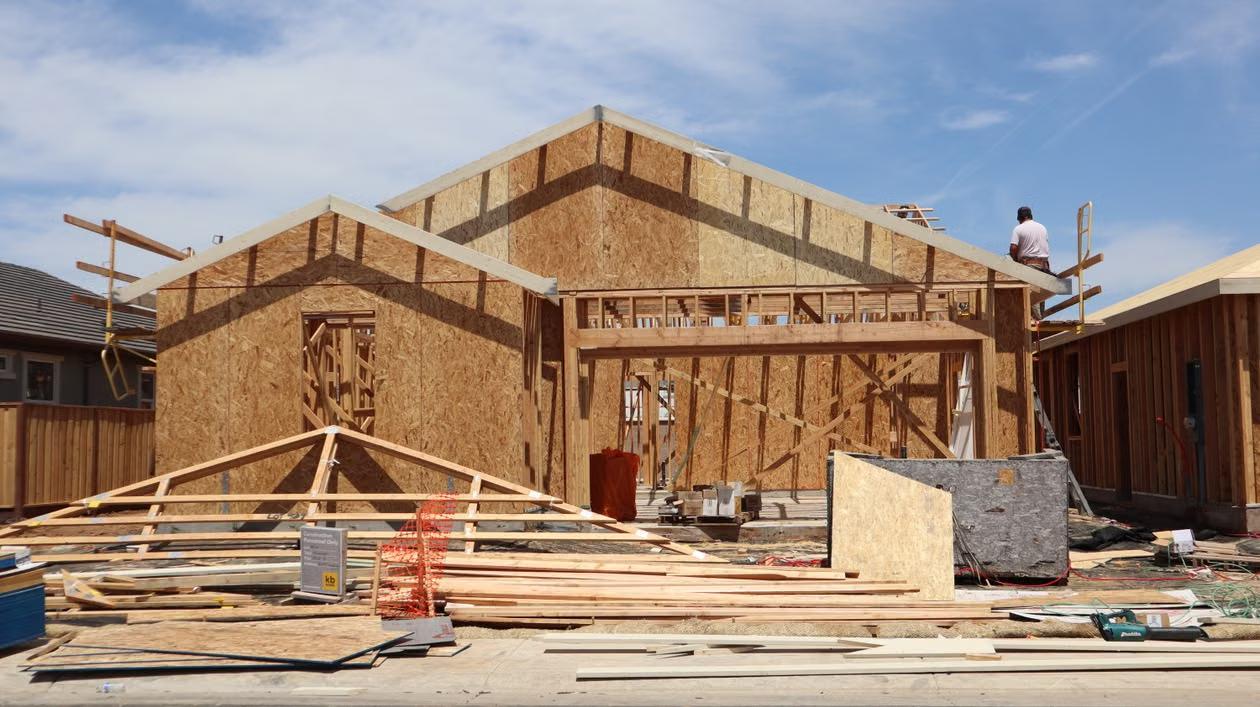
Most people learn how land loans work the hard way: they find a parcel, call their bank, and hear that the bank does not lend on land. Land is harder to finance than a house because it produces no income, it is harder to sell if the borrower defaults, and its value depends heavily on what can legally be built on it. This guide explains how land loans work across the US, what drives the terms, and what California adds on top.
Figures in this guide are general ranges to show how lenders think. They are not a quote, and terms vary by lender, parcel and borrower.
How land loans work
A land loan finances the purchase of a lot or acreage without a finished building on it. Lenders price the risk by how close the land is to producing value. That gives three broad categories.
- Raw land. No utilities, no road access improvements, often no approved plans. Highest risk to a lender, so the hardest to finance and the largest down payment.
- Unimproved or partly improved land. Some access or utilities nearby, but not ready to build. Somewhere in the middle.
- Improved or entitled land. Utilities at the lot line, road access, and in the best case approved plans or permits. Lowest risk, easiest to finance.
The further along the land is, the more a lender can see the path to a finished project, and the better the terms tend to be.
Why banks often will not lend on land
Banks favor collateral that produces income or that sells quickly. Raw land does neither. If a borrower stops paying, the bank owns a parcel that may take years to sell. Regulators also treat land loans as higher risk, so many banks keep them to a small slice of their lending or avoid them entirely.
That is why land buyers often turn to private lenders, land-focused lenders, or seller financing, where the seller carries the loan for the buyer.
Land loan rates, terms and down payments
- Down payment. Usually much higher than a home loan. Raw land often needs a large share of the price in cash. Entitled, improved land needs less.
- Term. Land loans are often shorter than mortgages, because the expectation is that the land will be built on, sold or refinanced.
- Rate. Higher than a home loan, reflecting the risk. Private and short-term land loans, which work much like bridge loans, price higher than bank loans in exchange for speed and flexibility.
- Exit plan. Lenders want to know how they get repaid. A clear plan, such as building and refinancing into a construction or permanent loan, or selling lots, makes approval easier.
Land development loans
Buying land is often only the first step. Land development loans fund the work that turns a parcel into buildable lots: grading, roads, sewer and water lines, utilities and sometimes the entitlement process itself. Lenders usually release this money in draws as each stage is completed and inspected, rather than all at once.
If you plan to build on the land soon after buying it, ask about financing the purchase and the development together. One loan that covers both can save a second closing and the risk of not qualifying for the next loan later.
What lenders look at on a land deal
- Zoning and entitlements. What the land is zoned for today, and whether the project you plan is allowed or needs approval.
- Access and utilities. Road access, water, sewer or septic, power. Missing utilities can cost more than the land itself.
- Soil and site conditions. Percolation tests for septic, flood zones, slopes and environmental issues.
- Easements. Rights others hold over the land, such as utility lines or shared access, that limit what you can build.
- Your plan and experience. A borrower who has built or developed before, with a realistic budget and timeline, is a much easier approval.
Where land financing comes from
Banks and credit unions
Some local banks and credit unions lend on land, especially to existing customers buying improved lots. Expect a large down payment, full documentation and a preference for land that is close to buildable.
Private and land-focused lenders
Private lenders look at the land, its value and your plan, and can move faster than a bank. They charge more for that flexibility, and terms are usually short.
Seller financing
The seller carries the loan, and you pay them over time. It is common on raw land because many landowners know banks will not finance it. Terms are negotiable, so get them in writing and have the title checked like any other purchase.
Construction and construction-to-permanent loans
If you are buying a lot to build on right away, a construction loan can sometimes include the land, and a construction-to-permanent loan rolls into long-term financing when the building is finished. This only works when plans, budget and builder are ready.
The costs beyond the purchase price
Land buyers often budget for the price and forget the rest. Before you commit, price in:
- Survey and title. Boundaries, easements and any title problems.
- Soil, percolation and environmental tests. Especially if you need a septic system or the land has past industrial or farm use.
- Utilities. Bringing water, sewer and power to a remote lot can be very expensive.
- Permits and impact fees. Many cities and counties charge fees per new home or unit, which can add up quickly on a subdivision.
- Carrying costs. Interest, property taxes and insurance while the land produces no income.
How to make land easier to finance
Every step that moves land toward a finished project reduces risk, and lenders reward that. Getting a survey, completing soil tests, securing utility will-serve letters, and obtaining approvals or permits can all improve the terms you are offered, and can let you refinance a short, expensive land loan into a better one. Many investors buy with short-term financing, add approvals, then refinance or sell at a higher value.
California land loans
California follows the same basic rules, with extra hurdles that affect cost and timing.
Environmental review
Many development projects in California go through review under the California Environmental Quality Act, known as CEQA. Depending on the project, that review can add months and real cost before you can build. Lenders know this, so a parcel with a clear path through approvals is worth far more to them than one at the start of the process.
The coast
Land in the coastal zone can need approval from the California Coastal Commission or a local coastal program, on top of city or county permits. That extra layer adds time and uncertainty.
Prices and competition
California land is expensive compared with most of the country, especially near the coast and major job centers. Higher prices mean larger loans and larger down payments, which pushes many investors toward private financing, partners or seller carry.
Wildfire and insurance
In fire-prone areas, the cost and availability of insurance for a future building can change the numbers on a land deal. Check it before you commit, not after.
An example land deal
An illustrative, rounded example, not a quote. An investor finds a 2-acre parcel zoned for four homes, priced at $400,000. The lot has road frontage, and water and power at the street, but no approved subdivision.
A private lender agrees to fund the purchase with a sizable down payment from the investor, on a short term. Over the next year the investor pays for a survey, soil tests, engineering and the subdivision application, about $60,000 in total, plus interest, taxes and insurance while the land earns nothing.
Once the subdivision is approved, the land is four buildable lots instead of one raw parcel. That approval is what changes the financing: the investor can now sell the lots to builders, or refinance into a construction loan to build the homes. The risk is the approval itself. If the city asks for changes or the timeline stretches, the carrying costs keep running, so the budget needs a cushion.
From raw land to buildable lots
Turning a parcel into lots usually follows the same path:
- Feasibility. Zoning, access, utilities, soil and environmental checks.
- Design and engineering. Lot layout, grading, drainage and utility plans.
- Approvals. Subdivision or site plan approval, and any environmental review.
- Site work. Roads, utilities and grading, often funded with a land development loan released in draws.
- Sale or build. Sell lots to builders, or build and sell or rent the homes.
Each stage reduces risk, which is why financing gets easier and cheaper as the project moves forward.
Land loan checklist
- Purchase contract and a legal description of the parcel.
- Zoning confirmation and any existing approvals or permits.
- Survey, title report and list of easements.
- Utility availability, ideally in writing from the providers.
- Soil, percolation and environmental reports where needed.
- Your plan, budget and timeline, plus your experience on similar projects.
- Proof of funds for the down payment and carrying costs.
Steps to finance a land purchase
- Confirm what you can build. Zoning, entitlements, utilities and access, before you make an offer.
- Decide the exit. Build, sell lots, or hold. Lenders want to see how they will be repaid.
- Line up the cash. Land needs more equity than a house, so know your down payment and reserves first.
- Talk to a lender who finances land. Ask whether they lend on raw, improved or entitled land, and whether they can fund development too.
- Do the due diligence. Survey, title, soil tests and environmental checks.
- Close, then move the land forward. Every approval or improvement you add makes the next loan easier.
Land loans: frequently asked questions
How do land loans work?
A land loan finances a lot or acreage without a finished building. Lenders size the down payment, rate and term by how close the land is to being buildable. Raw land is the hardest to finance; entitled land with utilities is the easiest.
Can I finance raw land?
Yes, but expect a larger down payment, a shorter term and a higher rate than a home loan. Private lenders, land-focused lenders and seller financing are the usual sources when a bank says no.
Why will my bank not give me a land loan?
Raw land produces no income and can be slow to sell, so many banks keep land loans to a minimum or avoid them. A lender that underwrites the land and your plan for it is often a better fit.
What is the difference between raw and entitled land?
Raw land has no approvals or improvements. Entitled land has the zoning and approvals needed for a specific project, and often utilities. Entitlements reduce risk, which is why entitled land is easier to finance.
What does California add to a land loan?
Mainly time and cost from approvals, such as environmental review under CEQA and coastal permits, plus higher land prices and, in some areas, wildfire insurance questions. Lenders factor all of these into how they view the parcel.
Financing your land purchase
If you are buying land to build or develop, start with what the parcel allows, then talk to a lender who finances land and development. Insula Capital Group lends to real estate investors and developers, including on land and new construction projects. See our recently funded projects, prequalify now, or start a quick application.