Real estate investors face a common decision when financing rental properties. They must determine whether hard money rental property loans or long-term rental loans fit the structure and timeline of a specific deal. Each option serves a different purpose, carries different costs, and supports different exit strategies. Selecting the correct loan type depends on speed requirements, asset condition, holding period, and risk tolerance.
Understanding how these rental property loan options function allows investors to align capital with investment goals and avoid mismatched debt structures.
Understanding Hard Money Rental Property Loans
Hard money rental property loans focus on property value and exit planning rather than personal income history. Lenders rely on asset condition, projected value, and market demand. This approach shortens approval timelines and enables faster closings compared to conventional loans.
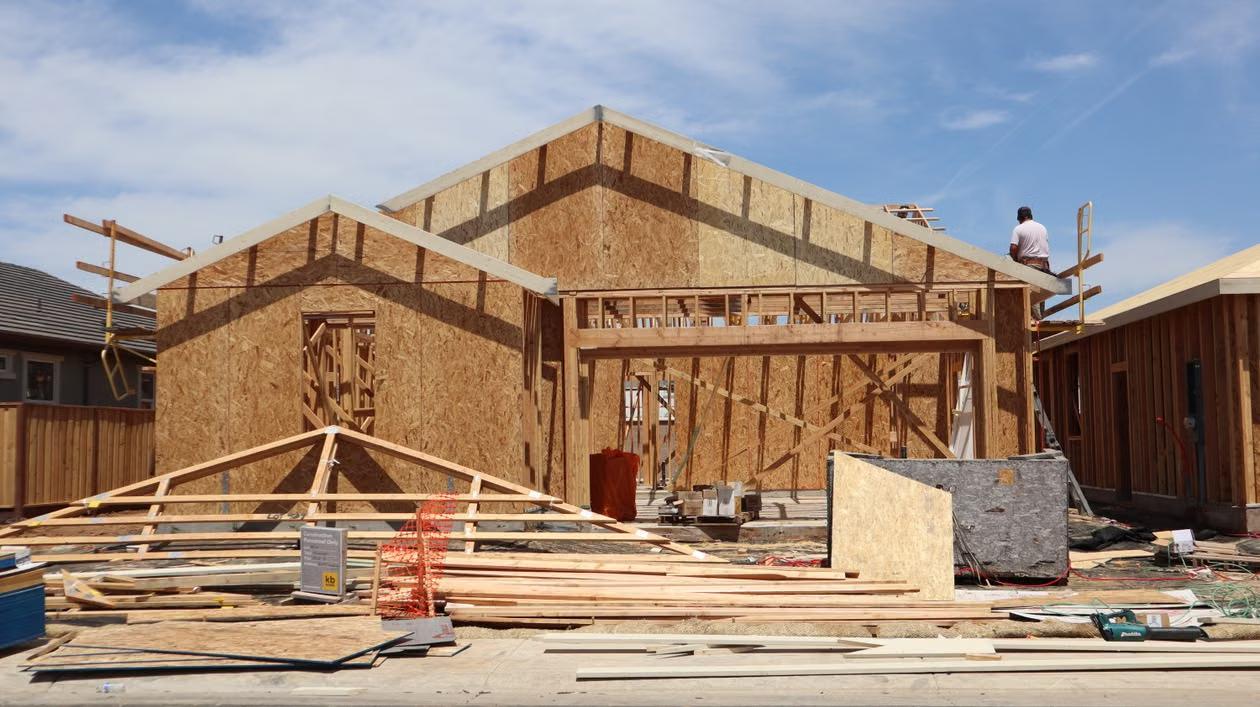
These loans often support acquisitions that require repairs, repositioning, or immediate execution. Investors commonly use hard money for rental properties when sellers demand short closing periods or when properties do not meet traditional underwriting standards. Interest rates tend to exceed long-term options, reflecting shorter durations and higher lender risk.
Hard money loans are most effective as temporary capital. Investors usually plan to refinance or sell once the property reaches stabilized occupancy.
Understanding Long-Term Rental Loans
Long-term rental loans support stabilized rental assets held for extended periods. Lenders assess rental income, occupancy history, and operating expenses. These loans offer predictable payments and lower interest costs compared to short-term structures.
Investors seeking steady cash flow often favor long-term rental loans after renovations conclude and tenants occupy the property. These loans suit income-focused strategies and portfolio stability. Approval timelines tend to extend longer due to documentation requirements and property review.
Long-term structures require patience but reward stability. They suit assets that no longer require rapid repositioning.
Comparing Timelines and Deal Pressure
Timeline pressure often determines financing choice. Hard money rental loans close quickly, sometimes within days. This speed allows investors to secure properties in competitive markets where sellers favor fast execution.
Long-term rental loans require patience. The process includes appraisal scheduling, income verification, and lender review. These steps increase certainty for long-term holds but reduce flexibility during acquisition.
Investors operating in high-demand markets often begin with hard money loans, then shift into long-term financing once the property stabilizes. This sequencing allows speed at purchase and stability after improvement.
Cost Differences and Financial Planning
Cost remains a defining factor. Hard money loans carry higher interest rates and shorter amortization periods. These costs make sense only when the loan duration stays brief, and the exit strategy remains clear.
Long-term rental loans offer lower rates and extended repayment schedules. These structures support cash flow optimization and income retention. Investors focused on yield over time favor this approach once properties meet lender standards.
Successful investors evaluate the total project cost rather than the interest rate alone. Financing fees, holding costs, and timeline risk all influence net returns.
Exit Strategies and Loan Transitions

Exit planning guides loan selection. Hard money loans require a defined exit, such as sale or refinance. Investors often transition from hard money to rental property refinancing once renovations finish and rents stabilize.
Long-term rental loans require less frequent refinancing. Investors may still refinance to access equity or adjust loan terms, but the pressure remains lower.
Without a clear exit, hard money loans increase risk. Investors who fail to complete renovations or lease-up plans within the loan term may face refinancing challenges or forced sales.
Risk Considerations for Each Loan Type
Risk varies by structure. Hard money loans increase exposure due to higher carrying costs and shorter timelines. Market delays, construction issues, or leasing challenges can compress margins.
Long-term rental loans reduce payment volatility but introduce qualification risk. Income disruption or market softening may affect refinancing options or future borrowing capacity.
Risk management depends on matching the loan structure to the project stage. Short-term risk fits transitional assets, while long-term risk fits stabilized income properties.
Commercial Rental Property Loans and Scaling Portfolios
Commercial rental property loans support larger portfolios and multifamily assets. These loans evaluate property income at scale rather than individual borrower income. Investors managing multiple properties often use this structure to consolidate debt and improve oversight.
Hard money loans may still support acquisitions within commercial portfolios, especially for repositioning projects. Once stabilized, investors often transition into commercial rental property loans to support long-term growth.
Choosing the Right Loan for Each Deal

No single loan fits every deal. Investors benefit from flexibility and planning. Acquisition speed, property condition, cash flow stage, and market competition all shape financing decisions.
Hard money loans serve as entry tools. Long-term rental loans support income retention. Successful portfolios use both at different stages of growth.
Experienced investors often use both loan types within the same portfolio. One property may rely on short-term funding during acquisition and renovation, while another operates under long-term financing once stabilized. This layered approach allows capital to move efficiently while preserving income-producing assets.
Ultimately, the right loan supports the property’s current stage, anticipated timeline, and long-term investment purpose. Thoughtful loan selection strengthens execution, limits friction, and supports consistent portfolio growth.
Insula Capital Group Supports Strategic Loan Selection
At Insula Capital Group, we help investors evaluate financing. We work across hard money loans for rental property, long-term rental loans, and broader rental property financing to match capital with timing and risk tolerance. Investors seeking rental property loans across California, Florida, New York, Pennsylvania, and Texas rely on us for rental property refinancing that supports growth.
Contact Insula Capital Group today to discuss which financing structure makes sense for your next rental property deal and long-term portfolio goals!