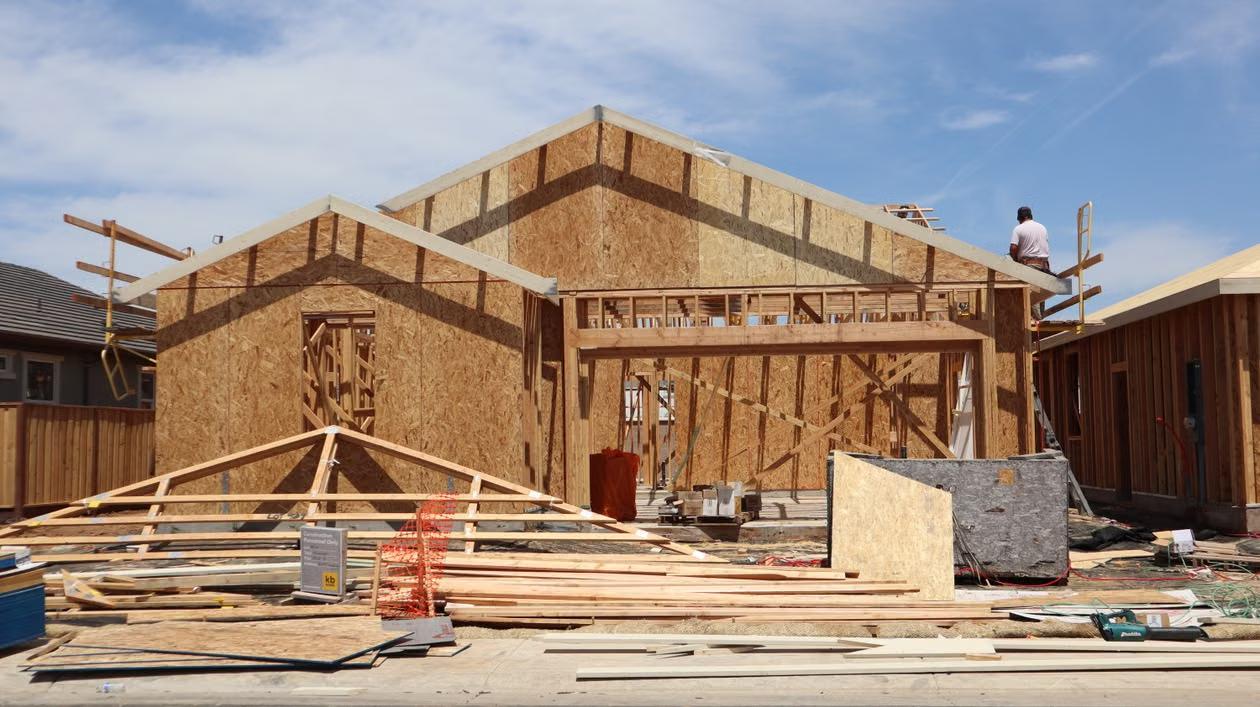
Flipping a house in New York City is a different job from flipping almost anywhere else in the country. Prices are higher, buildings are older, permits take longer, and a single delay can cost more in carrying costs than an entire rehab costs in some markets. This guide covers what changes when you flip in the five boroughs: the permits, the timelines, the costs that surprise out-of-town investors, and how fix and flip financing works on a New York City deal.
Figures below are general and illustrative. They are not a quote, and rules change, so check current requirements for your property.
Why flipping in the five boroughs is different
- Older housing stock. Much of the city’s one- to four-family housing is decades old. Brownstones, rowhouses and frame houses often hide outdated electrical, plumbing and structural issues behind the walls.
- More oversight. The Department of Buildings, landmark rules in historic districts, and building-specific boards can all touch your project.
- Higher carrying costs. Interest, taxes, insurance and utilities on a New York property add up fast, so every extra month matters more.
- Deep resale demand. The upside: renovated homes in good neighborhoods can sell quickly, and the spread between a dated house and a finished one can be large.
Borough by borough, at a glance
Brooklyn
Brownstones and rowhouses in neighborhoods such as Bedford-Stuyvesant, Crown Heights and Bushwick are classic flip targets. Many are in or near historic districts, so check landmark status before you plan facade or window work.
Queens
A large stock of one- and two-family homes, detached and attached, with neighborhoods that range from dense to suburban. Two-family homes appeal to buyers who want rental income from the second unit.
The Bronx
Lower entry prices than Brooklyn or Manhattan, with older multi-family houses that can suit a renovate-and-rent or renovate-and-sell plan. Budget carefully for systems work.
Staten Island
The most suburban borough, with more detached single-family homes. Rehab projects can feel closer to suburban flips, but parts of the shoreline sit in flood zones, which affects insurance and buyers.
Manhattan
Most residential property is co-ops and condos, which are hard to flip. Co-op boards often restrict investors and resales, and many charge a flip tax on sale. Townhouse flips exist but are high-dollar projects.
Permits and approvals
Cosmetic work such as paint, flooring and new fixtures in the same location usually needs little or no permitting. Plumbing, electrical, structural work, and anything that changes the layout generally needs Department of Buildings filings by licensed professionals.
- Change of use or occupancy. Converting a house from one family to two, or adding units, typically needs a new or amended certificate of occupancy. That takes longer and costs more, and buyers and lenders will ask for it.
- Landmarks. In historic districts, exterior changes such as windows, facades and rooftop additions usually need Landmarks Preservation Commission approval.
- Open violations. Check the property for open violations and stop-work orders before you buy. Clearing old violations can be part of the job, and some lenders will not close until they are addressed.
Build permit time into your schedule from day one. In New York, the approvals often set the timeline more than the construction does.
Costs out-of-town investors underestimate
- Transfer taxes. New York City and New York State both charge transfer taxes on sales, and residential purchases of $1 million or more also carry the state’s mansion tax, paid by the buyer. Price these into your purchase and your sale.
- Licensed trades. Licensed plumbers and electricians, and in some cases expediters to manage filings, cost more than in most markets.
- Insurance. Builder’s risk and liability coverage for a renovation can be significant, especially on attached buildings.
- Parking, debris and access. Dumpster permits, sidewalk protection and limited street access add cost and time on city blocks.
A worked example
An illustrative, rounded example, not a quote. A dated two-family house in Queens is bought for $900,000. The renovation budget is $180,000, mostly kitchens, baths, electrical and plumbing for both units. Purchase and sale closing costs, transfer taxes and agent fees total about $110,000. Interest, taxes, insurance and utilities over a nine-month project come to about $80,000. All in, that is $1,270,000.
If the finished house sells for $1,450,000, the profit before tax is about $180,000. If permits add three months, the extra carrying cost is roughly $25,000 to $30,000, and a slower sale or a soft appraisal can take another large bite. That is why New York flippers budget time as carefully as money.
Financing a New York City flip
Most flippers use short-term fix and flip loans that fund part of the purchase and release the renovation money in draws as work is completed. On a New York deal, a lender will look closely at:
- The purchase price and the after-repair value, supported by recent nearby sales.
- A detailed scope of work and budget, with licensed contractors.
- The permit plan, especially for any change of use.
- Your cash for the down payment, closing costs, carrying costs and a contingency.
- Your exit: sell, or rent and refinance into a long-term rental loan.
Working with a lender who knows New York matters, because the timelines, costs and approvals are part of the risk they are pricing. See how our hard money lenders in New York work.
Mistakes that sink New York flips
- Assuming a co-op or condo can be bought and resold like a house.
- Starting work before permits are in place, and getting a stop-work order.
- Ignoring open violations on the building.
- Budgeting a six-month timeline for a project that needs approvals.
- Pricing the resale off the best sale on the block rather than typical sales.
Flipping in New York City: frequently asked questions
Can you flip houses in New York City?
Yes. One- to four-family houses in Brooklyn, Queens, the Bronx and Staten Island are the most common flips. Manhattan co-ops and condos are much harder to flip because of board rules and flip taxes.
Do I need permits to renovate a house in NYC?
Cosmetic work often needs little or no permitting. Plumbing, electrical, structural work and layout changes generally need Department of Buildings filings, and a change of use usually needs a new or amended certificate of occupancy.
How long does a NYC flip take?
It depends on the scope and the approvals. Projects with permit filings often take longer than flips in other markets, so plan the budget around a longer timeline with a cushion.
How do you finance a flip in New York?
Most investors use short-term fix and flip loans that fund the purchase and release renovation money in draws. Lenders look at the after-repair value, the budget, the permit plan and your exit.
Financing your next five-borough flip
New York is our home market. If you have a flip in Brooklyn, Queens, the Bronx or Staten Island, prequalify now or contact our team to talk through the deal.