For many real estate investors in Long Island, holding onto properties has become just as important as acquiring them. Rising property values across Nassau and Suffolk counties have created substantial equity for investors who purchased residential or commercial assets years ago. Instead of selling these properties and losing long-term cash flow, many investors are finding ways to unlock that equity while continuing to own their assets.
This approach allows investors to reinvest capital into renovations, acquisitions, debt restructuring, or portfolio expansion without giving up appreciating properties. In today’s market, preserving ownership while improving liquidity has become a practical strategy for investors seeking stability and growth.
Why Investors Prefer Equity Access Over Selling
Selling a property can provide immediate capital, but it also comes with several trade-offs. Investors may lose recurring rental income, face capital gains taxes, and miss future appreciation in competitive markets like Long Island.
By accessing equity through refinancing or alternative financing solutions, investors can maintain control of their assets while still gaining access to funds. This flexibility has become especially important for investors managing multiple properties or planning long-term portfolio growth.
Many investors use this strategy to:
- Renovate aging rental units
- Acquire additional investment properties
- Consolidate higher-interest debt
- Improve cash reserves
- Fund construction or redevelopment projects
- Handle unexpected operating costs
Instead of treating real estate equity as inaccessible wealth, investors are using it as a financial tool that supports continued investment activity.
Rising Property Values Have Increased Available Equity
Long Island’s real estate market has experienced strong appreciation over the past several years. Residential and multifamily properties in many neighborhoods have seen significant value increases due to limited inventory, strong demand, and continued migration from New York City suburbs.
As property values rise and mortgage balances decrease over time, equity grows naturally. Investors who purchased properties before major appreciation periods often find themselves sitting on substantial untapped capital.
For example, an investor who purchased a rental property for $600,000 years ago may now own an asset worth $950,000 while owing considerably less on the original mortgage. Rather than selling the property to realize gains, that investor may leverage equity to finance additional projects or investments. This strategy helps investors continue building wealth while keeping income-producing assets in their portfolios.
Alternative Financing Is Becoming More Common
Traditional bank financing does not always work for experienced investors. Strict underwriting requirements, lengthy approval timelines, and income verification processes can create delays, especially when investors need quick access to capital.
Because of this, many Long Island investors are turning to private lenders for real estate investors and other flexible funding solutions. These financing options often focus more on property value and investment potential than on conventional income documentation.
Investors frequently work with private mortgage lenders when they need:
- Faster closings
- Flexible underwriting
- Short-term financing
- Funding for value-add projects
- Financing based on asset performance rather than personal income
This has become especially useful for investors managing complex portfolios or operating through LLCs and investment entities.
Using Equity to Improve Existing Properties
One of the most common ways investors use equity is through property improvements. Renovating older units or upgrading outdated systems can significantly increase rental income and long-term property value.
Long Island investors often use financing to:
- Modernize kitchens and bathrooms
- Improve curb appeal
- Upgrade HVAC or roofing systems
- Convert underutilized spaces
- Increase energy efficiency
- Prepare properties for higher-paying tenants
These upgrades can strengthen occupancy rates and improve overall asset performance.
Investors completing heavy renovations may also use fix-and-flip financing or short-term bridge solutions to complete projects before refinancing into permanent loans. Even when the goal is long-term ownership rather than resale, renovation financing can play an important role in maximizing returns.
Expanding Portfolios Without Liquidating Assets
Real estate investors often face a difficult decision when new opportunities appear: sell existing properties for capital or miss the opportunity altogether. Accessing equity removes that dilemma.
Instead of selling stabilized properties, investors can use equity proceeds as down payments for additional acquisitions. This strategy allows them to continue scaling portfolios while maintaining existing cash-flowing assets.
In competitive markets, timing matters. Investors who can move quickly often have an advantage over buyers relying solely on traditional bank financing. This is one reason many borrowers work with private money lenders for real estate investing, which can provide faster approvals and more adaptable loan structures.
This flexibility becomes especially valuable when purchasing distressed properties, pursuing redevelopment opportunities, or entering emerging submarkets across Long Island and other parts of the United States.
Construction and Redevelopment Opportunities
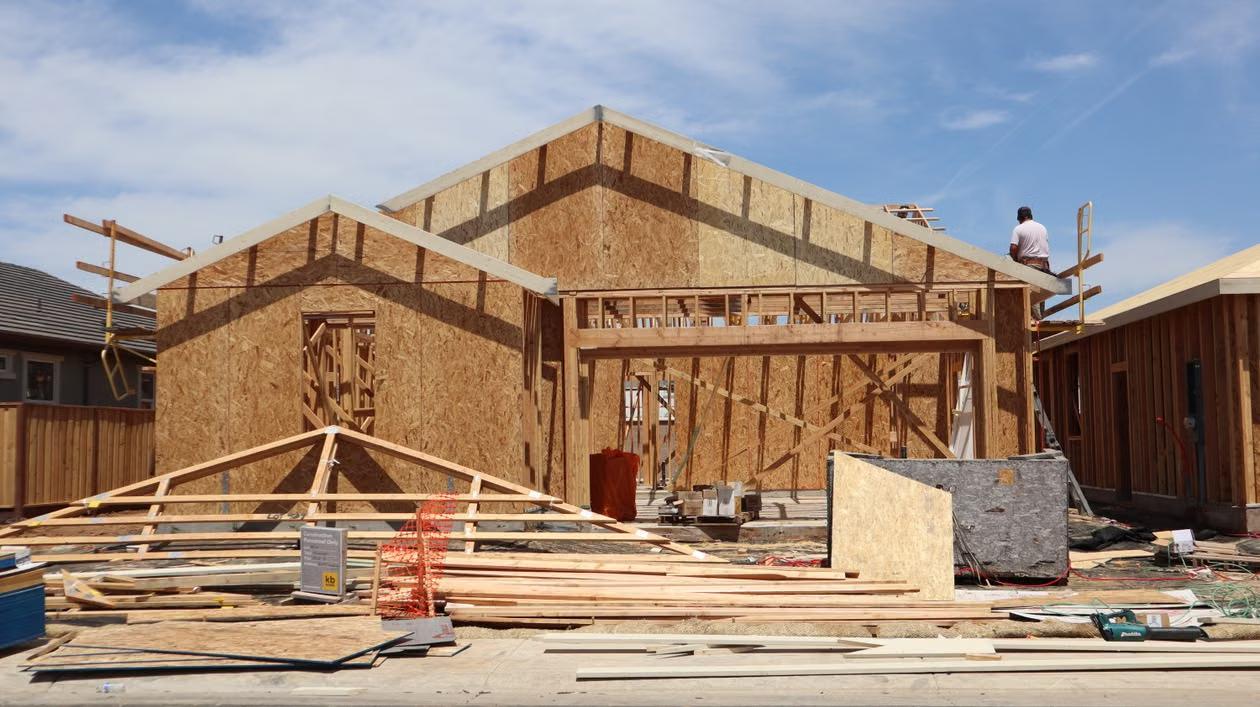
Another growing trend among investors is using equity from existing properties to fund new development projects. In areas where inventory remains limited, redevelopment and ground-up residential construction continue attracting investor interest.
Financing options such as hard money construction loans can help investors move projects forward while preserving liquidity elsewhere in their portfolios.
These loans are commonly used for:
- Residential redevelopment
- Single-family investment construction
- Property expansions
- Townhome projects
- Value-add redevelopment
Construction financing is often structured differently from conventional mortgages because it accounts for project timelines, draw schedules, and future property value after completion. Investors who already own appreciated assets may use existing equity to cover initial project costs or strengthen financing applications.
At Insula Capital Group, we help investors throughout the United States access flexible real estate financing solutions designed around their investment goals. Whether you need support from experienced hard money lenders or want tailored funding for renovation and expansion projects, we work closely with investors to create practical lending strategies. From fix and flip loans to new construction loans and customized hard money loans for real estate, our team provides responsive financing solutions that help investors move confidently while preserving long-term property ownership.