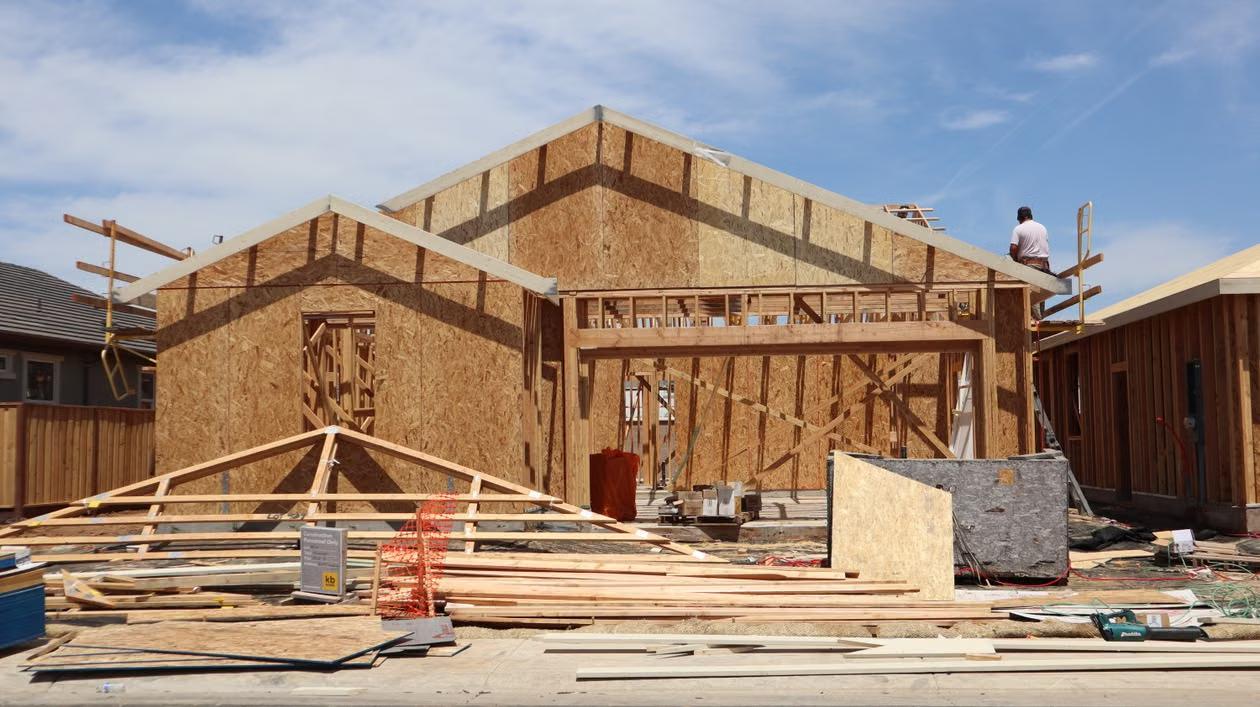
Rising interest rates and tighter bank underwriting have changed how multifamily deals get funded. Many stabilized loans now take 60 to 90 days to close, while competitive sellers expect buyers to move in weeks. At the same time, multifamily bridge financing continues to support a large share of value-add apartment deals. Most multifamily bridge loans are written with loan-to-value ranges between 65% and 75%, making them a practical option for buyers who need speed and renovation capital. Still, speed alone is not enough. Understanding the right considerations for a multifamily bridge loan can protect your returns and your timeline.
This guide breaks down what matters most before you apply.
Why Bridge Loans Require Extra Preparation
A multifamily bridge loan is short-term by design. It fills a gap between acquisition and stabilization. Because of that, lenders expect borrowers to arrive prepared. Missing details can slow approval or reduce proceeds.
Common pressure points include:
- Short loan terms
- Interest-only structures
- Defined exit timelines
Investors who plan to close faster and avoid costly extensions.

Credit Profile and Sponsor Strength
Credit still matters, even with asset-based lending. Most multifamily bridge lenders review personal credit scores, past deal history, and liquidity.
Typical expectations include:
- Mid-to-high 600s credit scores or better
- Clean repayment history
- Prior experience owning or managing apartments
Strong sponsors often receive better pricing and fewer conditions. Newer investors may still qualify but should expect tighter oversight.
Property Type and Condition
Not all properties qualify. One of the core considerations for a multifamily bridge loan is asset type.
Lenders prefer:
- Garden-style or mid-rise apartments
- Properties with 5+ units
- Assets needing light to moderate improvements
Severely distressed buildings with structural issues may require additional review. Occupancy levels also matter. Many lenders prefer properties above 70% occupancy at closing, though exceptions exist.
Loan-to-Value and Loan-to-Cost Limits
Understanding leverage is critical. Multifamily bridge financing usually caps leverage to protect downside risk.
General guidelines include:
- 65%–75% loan-to-value
- 75%–80% loan-to-costwhen renovations are included
Higher leverage increases risk. Lower leverage improves approval odds and exit flexibility. Borrowers should also plan for equity requirements beyond the down payment, such as reserves.

Renovation Budget Accuracy
Renovation funding is a major reason investors choose multi-family bridge loans. Lenders review budgets line by line.
Key expectations include:
- Contractor bids
- Clear scope of work
- Realistic timelines
Overstated rent growth or understated costs can delay funding. Accurate budgets speed draw approvals and reduce friction during construction.
Timeline and Loan Term Awareness
Time is one of the most important considerations for a multifamily bridge loan. These loans are short, often 12 to 36 months.
Borrowers must account for:
- Closing period
- Renovation phase
- Lease-up window
- Refinance or sale timing
Missed deadlines can trigger extension fees. Strong planning keeps projects on track and protects returns.
Exit Strategy Clarity
Multifamily bridge loans are temporary. Lenders expect a clear repayment plan from day one.
Common exits include:
- Refinance into agency or bank debt
- Sale after stabilization
Borrowers should confirm future loan requirements early. If permanent financing needs 90% occupancy, renovation and leasing plans must support that target.
Interest Rates and Carry Costs
Bridge loan pricing differs from permanent debt. Rates are higher due to shorter terms and added risk.
Borrowers should calculate:
- Monthly interest payments
- Renovation hold periods
- Cash flow during lease-up
Understanding carry costs helps avoid cash strain before stabilization.
Reserve Requirements
Many multifamily bridge loan lenders require reserves. These protect the project during vacancies or delays.
Reserves may cover:
- Interest payments
- Taxes and insurance
- Capital improvements
Knowing reserve expectations upfront prevents surprises at closing.
Local Market Fundamentals
Strong local demand supports bridge financing success. Lenders assess rent trends, employment growth, and supply pipelines.
Markets with stable renter demand support faster lease-up. Weak submarkets may limit leverage or reduce approval odds.
Choosing the Right Lending Partner
Not all lenders operate the same way. Some move faster and communicate better than others.
When comparing multifamily bridge loan providers, review:
- Closing timelines
- Renovation draw process
- Extension options
- Reporting requirements
Clear communication reduces friction during the loan term.

Documentation Readiness
Preparation speeds approval. Most lenders request:
- Rent rolls
- Operating statements
- Purchase contracts
- Renovation budgets
- Borrower financials
Submitting complete packages shortens review cycles and protects pricing.
Risk Management Mindset
Bridge loans reward execution. They also penalize delays.
Smart borrowers:
- Build timeline buffers
- Avoid overleveraging
- Track renovation progress weekly
These habits protect equity and lender confidence.
Get Easy Multifamily Bridge Financing Via Insula Capital GroupTop of Form
Insula Capital Group works with multifamily investors who need clarity, speed, and disciplined financing. Our multifamily bridge loan programs support acquisitions, renovations, and transitions with defined timelines and responsive funding.
If you are reviewing considerations for a multifamily bridge loan, Insula Capital Group can help you structure the deal with confidence from closing through exit. Contact us now to apply.