
Imagine a developer ready to break ground on a promising new housing community but unsure which financing route will sustain the project from start to finish. Residential development loans provide the capital needed to acquire land, build homes, and manage costs throughout construction. Choosing the right loan structure ensures steady cash flow, protects timelines, and prevents financial strain. Whether you are a first-time developer or an experienced builder, understanding how different financing options work will help you make confident, profitable decisions for every project phase.
Understanding Residential Development Loans
Residential development loans are short- to medium-term financing solutions designed to fund the purchase of land, infrastructure, and residential construction. They differ from traditional mortgages because they are meant for active development rather than completed homes.
These loans are used by builders, investors, and developers who need to fund large-scale housing projects or smaller multi-home developments. Unlike standard construction loans, residential development loans often cover everything from land preparation and utility installation to final build-out.
They provide flexibility by offering disbursements in stages, ensuring developers receive funding as work progresses. This structure helps manage cash flow efficiently while minimizing interest expenses since payments are tied to the project’s completion milestones.
How Construction and Development Loans Work
Construction and development loans are typically released in multiple phases known as “draws.” Each draw corresponds to a project milestone, such as land acquisition, foundation completion, framing, or finishing.
Lenders conduct inspections at each stage to confirm progress before releasing the next portion of funds. Interest is usually charged only on the amount drawn, making these loans cost-effective during construction.
Repayment structures vary depending on the lender and project type. Some loans convert into long-term financing upon completion, while others require repayment through property sales or refinancing. Understanding the repayment plan upfront helps developers plan their cash flow and manage risk effectively.
Types of Property Development Financing Available in California
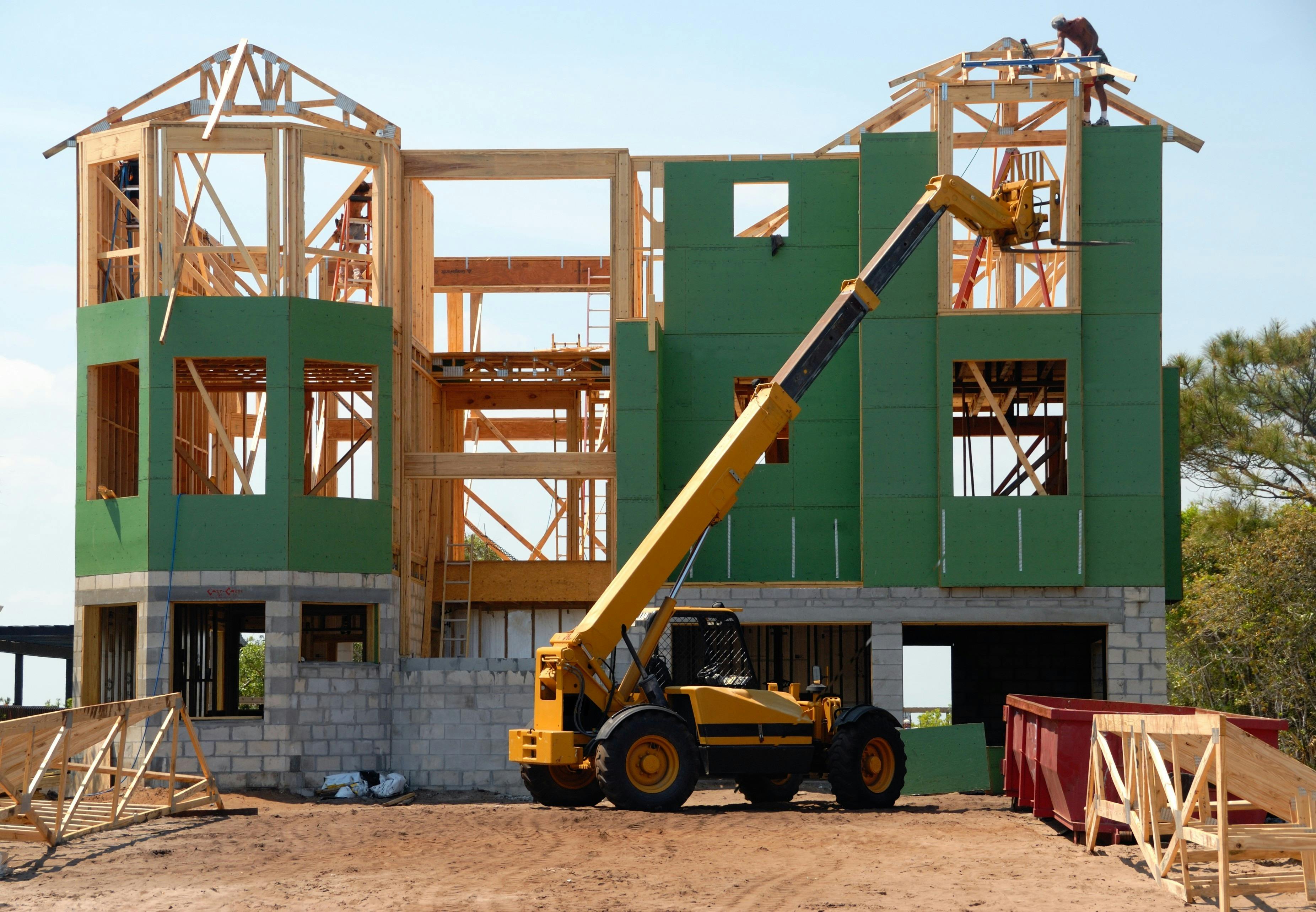
Choosing the right financing structure depends on project scale, experience level, and timing. Property development financing in California offers multiple paths:
1. Traditional Bank Loans
Banks provide competitive interest rates but often require extensive documentation, proven track records, and significant collateral. The approval process can take weeks, which may not suit time-sensitive opportunities.
2. Private Lenders
Private lenders offer faster approvals and more flexible terms. Their loan decisions focus on property potential rather than credit history, making them a practical choice for developers needing immediate funding.
3. Joint Venture Partnerships
Some developers collaborate with investors or institutions, sharing profits in exchange for capital. This option works well for high-value projects that require extensive upfront investment.
Each financing method serves a different purpose, and successful developers often combine multiple funding sources to maintain liquidity and reduce dependency on a single lender.
The Benefits of Using Specialized Development Loan Providers
Working with development loan providers offers several advantages compared to standard banking institutions. These lenders understand the complexities of real estate projects and structure loans around development timelines, construction stages, and market conditions.
Specialized providers often offer:
- Streamlined applications and faster funding approvals.
- Flexible draw schedules that align with project progress.
- Tailored repayment options designed to match project cash flow.
- Expert guidance from teams familiar with local markets and zoning regulations.
By partnering with experienced lenders, developers can secure more predictable financing and reduce the risk of mid-project funding issues.
Securing Land Development Loans for New Projects
Before any home construction begins, developers must secure financing for land purchase and site preparation. Land development loans cover essential early-stage expenses, including grading, utility installation, roads, and drainage systems.
These loans are crucial for transforming raw land into buildable lots. They typically carry higher interest rates than standard construction loans due to the added risk of undeveloped property.
Lenders will assess the project’s feasibility, proposed plans, and market potential before approval. Having a clear timeline, zoning documentation, and cost estimates increases approval chances and demonstrates borrower readiness.
Development Funding for Real Estate Projects: What Lenders Look For
Lenders offering development funding for real estate evaluate a mix of financial and project-specific factors. The most common criteria include:
- Experience: Lenders favor developers with a proven track record of successful builds.
- Project Viability: Feasibility studies, appraisals, and market demand analyses demonstrate project profitability.
- Loan-to-Cost (LTC) Ratio: Indicates how much of the total project cost is financed through the loan.
- Exit Strategy: Whether through home sales, refinancing, or rental income, lenders want assurance of timely repayment.
Clear communication, professional documentation, and transparent planning are key to earning lender confidence and securing favorable loan terms.
Comparing Development Financing Options in California

California’s dynamic real estate market offers several development financing options, each catering to different project types and risk levels.
- Short-Term Loans: Ideal for quick turnarounds such as fix-and-flip projects or speculative builds. These loans provide immediate liquidity but require fast repayment.
- Long-Term Financing: Suitable for phased developments or rental properties intended for long-term ownership.
- Bridge Loans: Help investors transition between projects or refinance existing debt before permanent financing is secured.
Developers should assess costs, loan duration, interest rates, and flexibility before choosing a structure. The right financing plan balances project speed with manageable repayment terms.
How Residential Construction Loans Support Builders from Start to Finish
Residential construction loans play a critical role in helping builders manage project timelines and cash flow. These loans fund materials, labor, and contractor payments through staged disbursements.
For example, a builder constructing ten single-family homes might receive funds in four draws: land preparation, framing, interior completion, and final inspection. This staged structure allows developers to focus on progress without draining resources prematurely.
Additionally, lenders often inspect and approve each draw to ensure accountability. This disciplined approach benefits both lenders and developers by maintaining project transparency and reducing financial risk.
Tips for Choosing the Right Development Loan Provider
Selecting the right lender can define a project’s success. Consider the following when evaluating development loan partners:
- Experience and Reputation: Choose lenders who understand regional markets and construction cycles.
- Flexibility: Look for customized repayment terms and adjustable draw schedules.
- Speed of Approval: Time is crucial in development. Fast approvals help secure competitive opportunities.
- Transparency: Clear, upfront communication on fees and loan structure avoids costly surprises later.
Reviewing testimonials, comparing offers, and discussing project-specific needs with potential lenders can help identify a financing partner who aligns with your goals.
How Insula Capital Group Supports Developers with Flexible Financing

At Insula Capital Group, we specialize in providing personalized lending solutions that empower builders and developers to achieve success with confidence. Our experienced team understands the complexities of real estate development loans and ensures every client receives attentive service, clear communication, and practical financial guidance.
We take pride in supporting projects across California, offering quick approvals, customized repayment terms, and competitive rates through our residential development loans in California program.
Contact us today to learn how Insula Capital Group helps builders and developers bring residential projects to life with the right funding solutions.