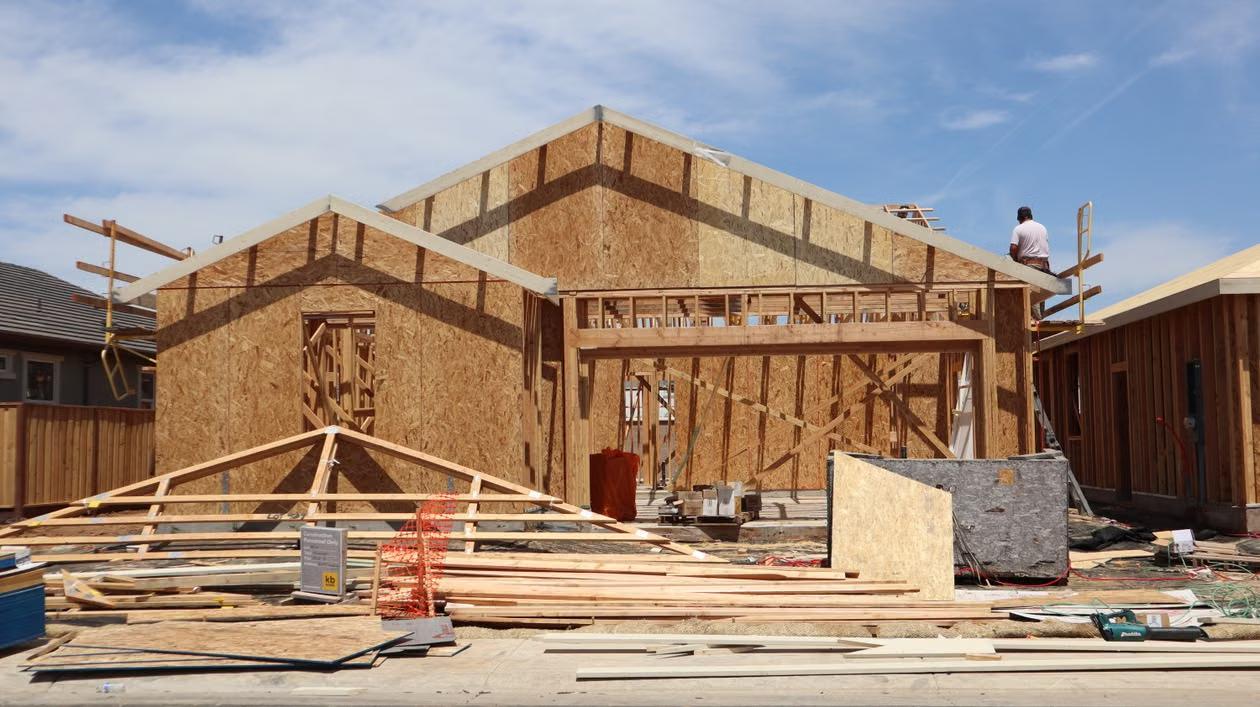
In 2026, manufacturing investment is rapidly evolving. Investors are shifting their focus away from traditional warehouses and general industrial developments. Instead, they are increasingly targeting specialized manufacturing projects that demonstrate strong long-term demand and operational stability. These projects often cater to growing industries, including medical technology, food processing, semiconductor production, electric vehicle components, and advanced materials.
Several economic and supply chain trends are driving this shift. Domestic production priorities, technology-driven manufacturing, and the push for resilient supply chains have encouraged businesses to expand or relocate operations throughout the United States. As a result, investors are paying closer attention to manufacturing facilities designed for highly specific operational needs.
Below is a closer look at the specialized manufacturing sectors that are attracting significant capital this year and why investors see long-term opportunities in them.
Food Processing Facilities Continue Expanding
Food manufacturing remains one of the strongest industrial sectors for investors in 2026. Demand for packaged foods, cold storage integration, and regional distribution networks continues to rise, creating steady demand for specialized processing facilities.
Unlike traditional industrial buildings, food production facilities require advanced infrastructure, including temperature-controlled environments, sanitation systems, and layouts that ensure compliance. These specialized features make such properties more difficult to replace quickly, which can strengthen long-term occupancy stability.
Investors are also attracted to the resilience of food-related industries during economic fluctuations. Since food production serves an essential market, these facilities often maintain consistent operational demand even during slower economic cycles.
Semiconductor and Electronics Manufacturing
Semiconductor manufacturing remains one of the most heavily funded industrial categories in 2026. Government incentives, technology growth, and increased domestic chip production have encouraged both institutional and private investors to support related projects.
Facilities used for semiconductor production require sophisticated construction standards, including clean rooms, climate control systems, advanced ventilation, and highly reliable utility infrastructure. These requirements increase development complexity but also create higher barriers to entry for competing projects.
Because these facilities involve major upfront capital investment from tenants, lease agreements are often structured for longer durations. Investors view this as a valuable advantage for maintaining predictable cash flow over time.
Medical Manufacturing and Life Sciences Production
Healthcare-related manufacturing has become another major focus for investors. Facilities producing medical devices, laboratory equipment, pharmaceuticals, and biotechnology products continue to attract strong demand across multiple markets.
One reason investors favor these properties is the long-term growth outlook of the healthcare industry. Aging populations, medical innovation, and expanding healthcare infrastructure are all contributing to higher production needs.
These projects also tend to involve specialized operational requirements, including sterile environments, regulatory compliance standards, and advanced production systems. Because relocating these operations can be expensive for tenants, investors often see improved tenant retention within this sector.
Electric Vehicle Component Production
The electric vehicle market continues to influence industrial real estate development in 2026. While vehicle assembly plants receive significant attention, many investors are focusing more heavily on component manufacturing facilities supporting the broader EV supply chain.
This includes projects tied to battery systems, charging equipment, thermal management systems, lightweight materials, and electronic components. Demand for domestic production capacity in these areas has increased significantly as manufacturers seek to strengthen regional supply chains.
Many of these facilities require customized layouts, reinforced utility capacity, and advanced automation systems. Investors recognize that these specialized improvements can create strong competitive positioning for properties serving growing transportation industries.
Advanced Packaging and Automation Facilities
Automation and robotics are reshaping manufacturing operations across the country. As businesses invest in faster and more efficient production systems, facilities designed for automation integration are becoming increasingly valuable.
This includes manufacturing sites built around robotic systems, smart warehousing integration, and automated packaging operations. These properties often feature higher power capacity, expanded floor load tolerances, and sophisticated digital infrastructure.
Investors are attracted to these projects because automation adoption is no longer limited to large corporations. Mid-sized manufacturers are also upgrading operations to improve productivity and reduce labor dependency, increasing demand for specialized industrial environments.
Why Investors Are Prioritizing Specialized Industrial Assets
Several factors explain why investor interest in specialized manufacturing projects continues to grow in 2026:
Limited Supply of Specialized Facilities
Specialized industrial buildings are more difficult and expensive to develop compared to standard warehouses. This supply limitation can support stronger occupancy demand and long-term property value.
Long-Term Tenant Commitments
Manufacturing tenants that invest heavily in equipment and operational customization are less likely to relocate frequently. This often results in longer lease terms and reduced turnover risk.
Supply Chain Realignment
Businesses continue shifting production strategies toward domestic and regional manufacturing. Investors see specialized facilities as an important part of this long-term restructuring effort.
Infrastructure and Economic Development Incentives
Many states and municipalities continue offering tax incentives, infrastructure support, and workforce development programs to attract manufacturing investment. These incentives can strengthen project feasibility and regional growth potential.
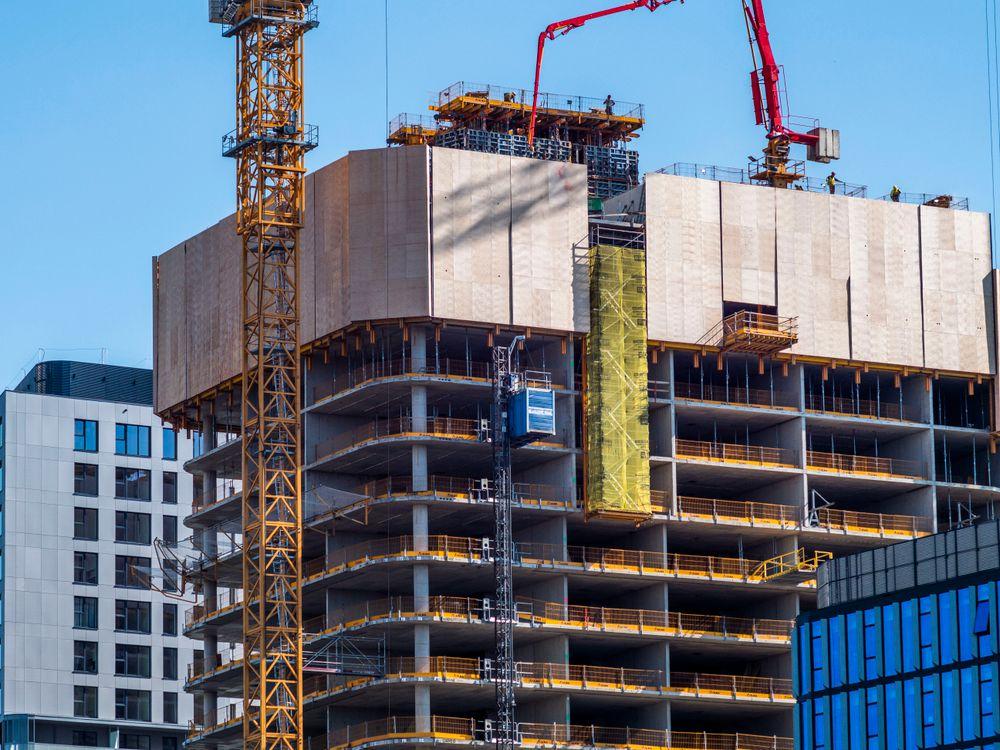
At Insula Capital Group, our private hard money lenders help investors nationwide secure financing solutions for evolving industrial and commercial opportunities. Whether you are expanding production facilities, repositioning industrial assets, or developing specialized projects, our private money lenders for real estate investing provide flexible funding options tailored to investment timelines. We also assist clients who need fix-and-flip bridge loans or new construction hard money loans for strategic property growth and long-term portfolio expansion.
Get in touch with us now.