
Financing a ground-up build is one of the most complex — and opportunity-driven — segments of real estate lending. Unlike traditional mortgages, new construction loans are designed to fund a project that doesn’t yet exist, which introduces additional risk, documentation, and oversight. This new construction loans guide for USA explains how these loans work, what lenders evaluate, and why many developers are increasingly choosing alternative lending paths.
Firms like Insula Capital Group help borrowers navigate this complexity by structuring construction loans that align with real-world development timelines, market realities, and evolving project needs rather than rigid institutional frameworks.
What Are New Construction Loans?
New construction loans are short-term financing solutions used to fund the building of residential or commercial properties from the ground up. Instead of receiving all funds upfront, borrowers access capital in phases as construction progresses and milestones are completed.
Once construction is complete, borrowers typically refinance into permanent financing or sell the completed property as part of a clearly defined exit strategy.
How Construction Loans Differ From Traditional Financing

Traditional mortgages are based on the value of an existing property. Construction loans, by contrast, are underwritten using projected post-completion value, which changes how risk is assessed and managed.
Because the asset is still under development, lenders place greater emphasis on feasibility, cost accuracy, contractor reliability, and realistic timelines. Any gaps in planning can increase perceived risk and slow approvals.
This distinction makes lender selection critical, as not all lenders are equipped to evaluate evolving construction projects effectively.
Approval Criteria: What Lenders Evaluate
Eligibility for construction loans involves more than credit scores alone. Lenders assess borrower financial strength alongside the quality and viability of the proposed project.
Common approval factors include credit history, liquidity, equity contribution, detailed construction budgets, contractor credentials, permits, and a clearly articulated exit strategy. For new construction loans, incomplete documentation remains one of the leading causes of approval delays.
Borrowers who submit organized, transparent project packages demonstrate professionalism and significantly improve approval odds.
Understanding Draw Schedules and Funding Stages
Unlike traditional loans, construction loans are funded through structured draw schedules. Capital is released only after verified milestones are completed and inspected.
Typical draw stages include foundation completion, framing, mechanical systems, interior finishes, and final inspections. This staged approach protects all parties by ensuring funds are used as intended.
Interest is usually charged only on disbursed funds, which helps manage carrying costs during early construction phases.
Interest Rates and Cost Considerations
Interest rates on new construction loans are generally higher than conventional mortgages due to elevated risk during development. Rates are often variable and tied to market benchmarks.
Additional costs may include inspection fees, draw administration fees, origination costs, and contingency reserves. While bank financing may appear cheaper initially, extended approval timelines often increase total project carrying costs.
This trade-off leads many developers to prioritize execution speed and flexibility over marginal rate differences.
Why Developers Are Choosing Alternative Lenders
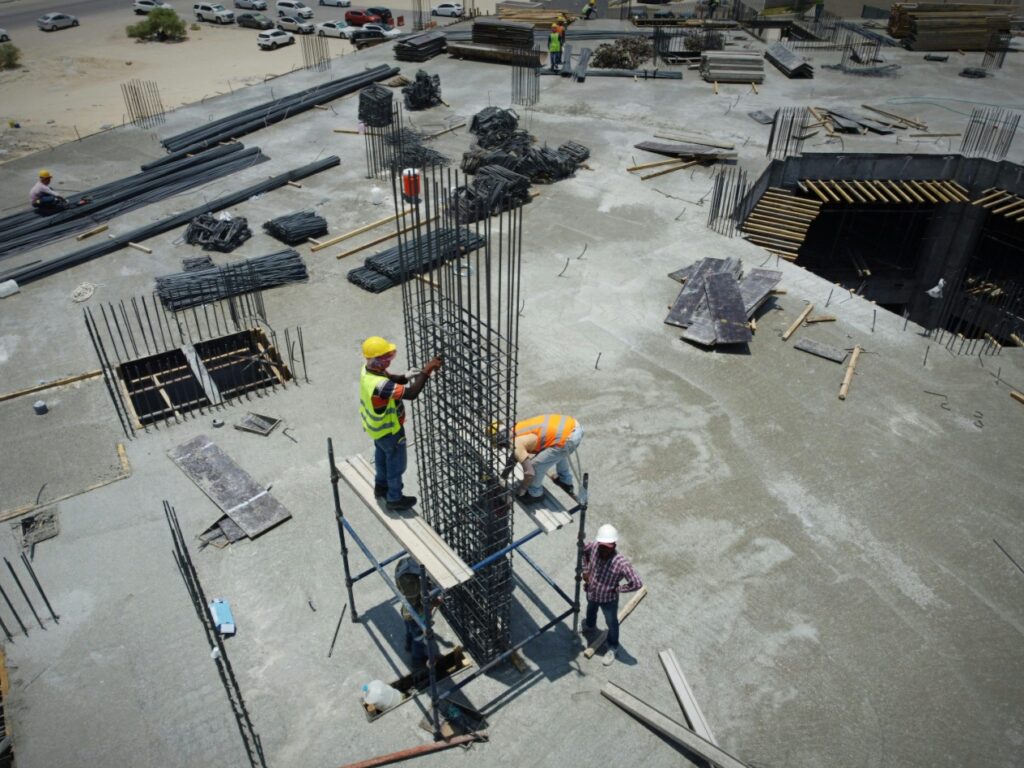
Traditional banks remain an option, but many struggle to accommodate modern development timelines. Committee approvals, rigid underwriting models, and conservative risk frameworks frequently slow projects.
Alternative lenders like Insula Capital Group take a project-focused approach. Instead of relying solely on borrower balance sheets, they evaluate asset value, execution strategy, and exit feasibility.
This approach allows for faster approvals, customized draw schedules, and loan structures that reflect real-world development dynamics.
State-by-State Demand Trends
Demand for new construction loans varies by region due to population growth, housing shortages, and commercial expansion patterns. High-growth markets often experience faster development cycles.
In these environments, developers increasingly rely on lenders who can respond quickly and adapt financing structures to regional regulations and construction conditions.
Experienced lenders tailor funding strategies to market-specific challenges rather than applying generic lending templates.
How Borrowers Can Improve Loan Outcomes
Preparation remains the strongest predictor of loan success. Borrowers who invest time upfront reduce friction later in the process.
Successful applicants typically work with experienced contractors, maintain disciplined budgets, document contingencies clearly, and define exit strategies early. Lender alignment further improves execution throughout construction.
Clear communication and realistic planning help prevent costly delays and funding interruptions.
Common Mistakes Borrowers Make With New Construction Loans

Even well-prepared developers can run into trouble if they misunderstand how construction loans function. One of the most common mistakes is underestimating total project costs. Budgets that fail to account for contingencies, material price fluctuations, or timeline extensions often create funding gaps that delay progress.
Another frequent issue is misalignment between borrowers and lenders regarding draw schedules. If milestones are unclear or documentation is incomplete, draw approvals can stall — slowing construction and increasing carrying costs. Borrowers who don’t plan for inspection timelines may find themselves waiting for funds when work is ready to proceed.
Some borrowers also assume new construction loans function like traditional mortgages, expecting upfront funding or minimal oversight. In reality, construction financing requires ongoing reporting, inspections, and communication. Failing to prepare for this level of involvement can strain lender relationships.
Finally, choosing a lender without construction-specific experience can be costly. Lenders unfamiliar with development risk may apply rigid rules that don’t reflect real-world construction challenges. Borrowers who partner with lenders experienced in project-based financing are better equipped to navigate adjustments without jeopardizing funding or timelines.
Why Lender Alignment Matters

Construction projects evolve. Delays, cost adjustments, and scope changes are common realities rather than exceptions.
Working with a lender who understands construction risk — and can adapt without unnecessary disruption — significantly improves project stability. Alignment between borrower and lender expectations reduces stress and preserves momentum.
Insula Capital Group structures new construction loans with this flexibility in mind while maintaining disciplined oversight.
Construction financing is complex — but the right structure makes all the difference.
Insula Capital Group offers flexible construction loan solutions for builders across Texas, Florida, Ohio, and beyond. Get in touch with Insula Capital Group to access fast, reliable construction financing that keeps your projects moving from start to finish. Fill in the form today and more details read about us here.