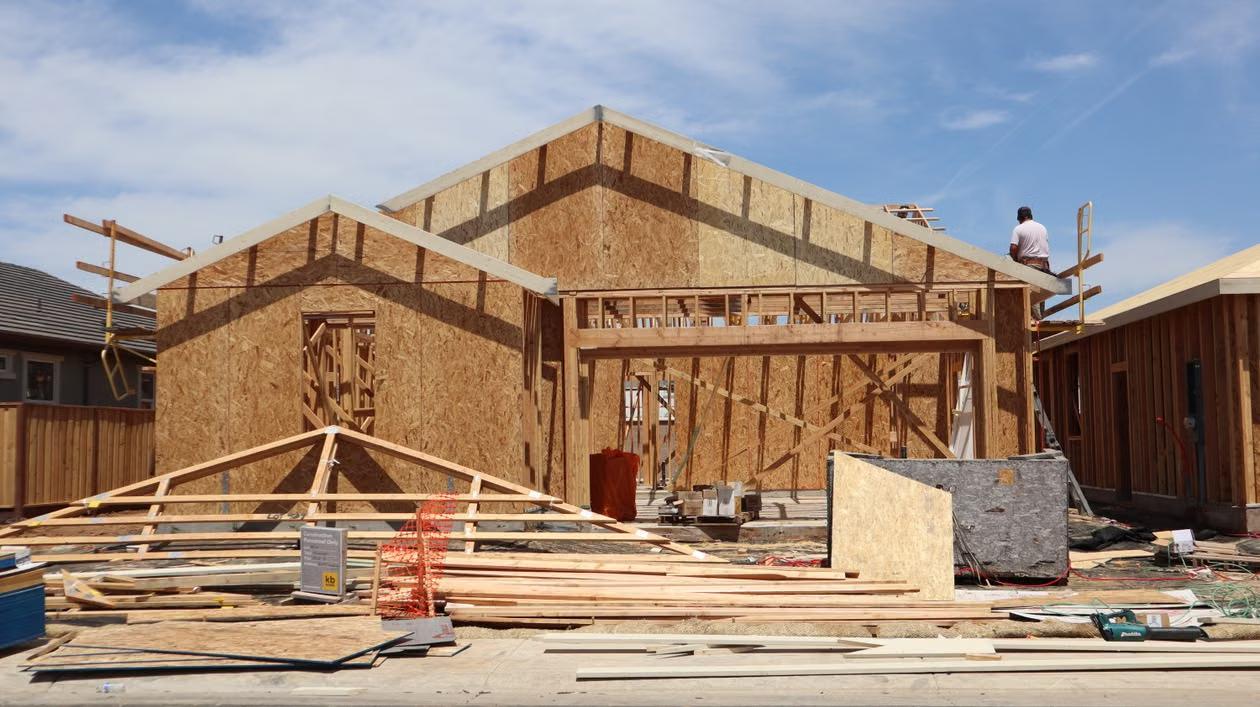
Real estate development is one of the most rewarding—but also one of the most complex—investment strategies. Whether building ground-up residential units, commercial complexes, or mixed-use assets, investors must navigate multiple financing phases, regulatory expectations, and risk considerations. Development financing requires a deeper understanding than standard acquisition lending, and expertise matters at every stage. Industry frameworks and appraisal standards help establish the broader landscape, but private lenders have emerged as a vital resource for investors seeking fast, flexible, and strategic capital solutions.
As lenders serving investors across the U.S., we at Insula Capital Group understand that development financing is not just about securing funds—it’s about structuring debt in a way that aligns with timelines, risk profiles, and project goals. Unlike traditional loans for rental property, development financing must account for rising construction costs, permitting delays, market changes, and multi-phase capital needs.
Understanding Development Project Financing
Development financing is a multi-stage lending process that funds the purchase of land, construction, and eventual stabilization of a property. The capital structure typically includes several loan types, each designed for distinct project milestones.
Unlike stabilized rentals, development projects rely less on existing income and more on projected value, feasibility studies, and construction timelines. This is why underwriting for rental property financing differs substantially from construction lending—investors must demonstrate the viability of the project before breaking ground.
Development loans provide liquidity to acquire land, pay contractors, manage permits, and sustain the project until completion. During this period, lenders assess risk through pro forma financials, market comps, construction budgets, and borrower experience.
Key Loan Types Used in Development Projects
1. Land Acquisition Loans
These loans fund the purchase of raw land or teardown properties. Underwriting focuses on location, zoning, environmental factors, and long-term development potential. Because land generates no income, leverage tends to be lower than in other forms of financing. Investors must often meet moderate rental property loan rates expectations since the risk is higher.
2. Construction Loans
Construction loans are short-term, interest-only facilities used to fund building costs. They typically include phased disbursements, known as “draws,” tied to project milestones. These loans require detailed budgets, contractor agreements, and contingency reserves. Construction financing is essential for developers working with rental property mortgage lenders to bring complex projects to completion.
3. Bridge Loans
When unexpected delays affect construction timelines or refinancing takes longer than expected, bridge loans provide transitional funding. These loans help maintain momentum, keep contractors paid, and ensure the project remains on schedule. Investors commonly rely on them alongside loans for rentals after construction.
4. Permanent Financing
Once the asset is built and stabilized through leases or occupancy, developers refinance into long-term loans. These typically include fixed or adjustable rates, amortization schedules, and terms suited for cash-flow operations. Permanent loans are the final step in converting development assets into income-producing properties under rental property lenders experienced in multifamily or mixed-use financing.

How Qualification Works for Development Financing
Traditional banks impose rigid requirements on development borrowers—multi-year financials, extensive liquidity verification, and strict credit thresholds. But private lenders offer more flexible, investor-focused qualification processes.
To qualify for development financing, investors must provide:
- Construction budgets
- Projected financials (pro forma)
- Contractor agreements
- Architectural or engineering plans
- Market comparables
- Exit strategies
- Experience summaries
While some documents resemble standard commercial rental property loans, development lending emphasizes feasibility and execution ability.
Risk Management in Development Financing
Development projects include risks that stabilized rentals do not—construction delays, cost overruns, market volatility, permit challenges, and material price fluctuations. Because of this, developers must present strong project governance.
Key risk mitigation strategies include:
- Hiring licensed contractors with verified experience
- Maintaining contingency reserves (typically 5–15%)
- Conducting feasibility studies
- Securing fixed-price or guaranteed-maximum-price contracts
- Monitoring material costs
- Building realistic timelines
Effective risk management helps investors secure capital from lenders specializing in hard money for rental properties, who expect well-structured plans even for development projects.
The Role of Expert Lenders in Funding Development Projects
Large-scale developments require lenders who understand both debt structure and project logistics. Experienced lenders help investors anticipate funding gaps, prevent cost overruns, and avoid delays that could derail the project.
We at Insula Capital Group play an important role by:
- Providing fast approvals essential for land deals
- Structuring draw schedules aligned with project phases
- Offering flexible terms for hard money loans for rental property
- Evaluating feasibility with pro-level underwriting
- Supporting refinancing transitions after stabilization
Expert lenders not only supply capital—they provide partnership, risk insight, and financial engineering that helps investors succeed.
Why Strategic Development Financing Matters in 2025
Rising construction costs, fluctuating interest rates, and shifting zoning regulations have made development financing more complex. But demand for new residential and commercial inventory remains high.
Investors who understand capital structuring, leverage options, and the role of private lenders gain significant advantages. Whether acquiring land, building housing solutions, or developing mixed-use infrastructure, having access to reliable funding is essential—especially when navigating long-term projects that may span several years before stabilization under hard money rental property loans.
Development financing is not a linear process—it’s a dynamic, multi-phase journey requiring lender expertise, strong documentation, and adaptable capital solutions. Investors who plan strategically, mitigate risks early, and work with experienced financial partners position themselves for lasting success.
Fast and Easy Hard Money Loans
Whether you’re seeking development project loans or exploring broader development financing options, Insula Capital Group provides the flexibility and speed investors need. As nationwide development loan lenders, we offer tailored programs to support projects from land acquisition to construction. For expert guidance on real estate development loans, call now or learn more at Insula Capital Group.