Senior housing has become one of the fastest-growing sectors in commercial real estate financing. Across the United States, developers, investors, and healthcare-focused operators are increasing their attention on assisted living communities, independent living facilities, memory care centers, and age-restricted residential developments. As demand rises, financing activity tied to senior housing projects is also expanding rapidly.
Commercial lenders are seeing increased borrowing requests connected to senior housing acquisitions, renovations, refinancing, and new development projects. Several economic, demographic, and healthcare-related trends are contributing to this momentum, making senior housing one of the most active commercial property categories in 2026.
Unlike traditional residential or retail real estate, senior housing properties operate at the intersection of healthcare, hospitality, and long-term residential demand. This combination creates unique investment opportunities while also requiring specialized financing strategies designed for operationally intensive properties.
Aging Demographics Are Driving Long-Term Demand
One of the biggest reasons senior housing loans are gaining traction is the growing aging population throughout the United States. Millions of Americans are entering retirement age, increasing the need for housing options designed around accessibility, healthcare support, and long-term lifestyle needs.
Developers and investors are responding by expanding senior-focused communities in both urban and suburban markets. Demand is particularly strong in areas with growing retiree populations, healthcare infrastructure expansion, and limited existing senior housing inventory.
Unlike many short-term commercial trends, demographic shifts create long-range demand patterns. Investors often view senior housing as a sector supported by stable occupancy potential over many years rather than temporary market cycles. This growing need for housing and care services has encouraged lenders to increase participation in senior housing financing opportunities nationwide.
Senior Housing Has Become More Operationally Sophisticated
Modern senior housing facilities are no longer limited to basic residential accommodations. Many developments now include medical support services, wellness programs, and recreational amenities, dining facilities, transportation services, and advanced safety systems.
As facilities become more sophisticated, development costs and operational requirements also increase. Investors often require financing structures capable of supporting both property acquisition and operational buildout phases.
Specialized lenders understand that senior housing projects may involve phased occupancy stabilization, licensing requirements, staffing considerations, and healthcare-related compliance standards. Flexible financing structures have therefore become increasingly important for these projects.
Many developers are also upgrading older facilities to compete with newer communities entering the market. Renovation and repositioning projects are creating additional financing activity as operators modernize aging assets to meet current resident expectations.
Investors Are Seeking Stable Long-Term Asset Classes
Commercial real estate investors are increasingly prioritizing asset classes tied to long-term essential demand. Senior housing fits this strategy because it serves a population segment that continues growing regardless of broader economic fluctuations.
While office and retail sectors have experienced changing occupancy patterns in recent years, senior housing demand has remained closely linked to demographic necessity. This has encouraged more institutional and private investors to diversify into healthcare-oriented real estate.
Properties with experienced operators, stable occupancy rates, and strong regional demand are attracting significant investor attention. Financing activity has followed this trend as acquisitions and expansion projects increase across multiple states.
Senior housing also offers opportunities for recurring revenue through service-based operational models. Investors often view these properties as having multiple income components beyond traditional rent collection alone.
Construction and Expansion Activity Is Accelerating
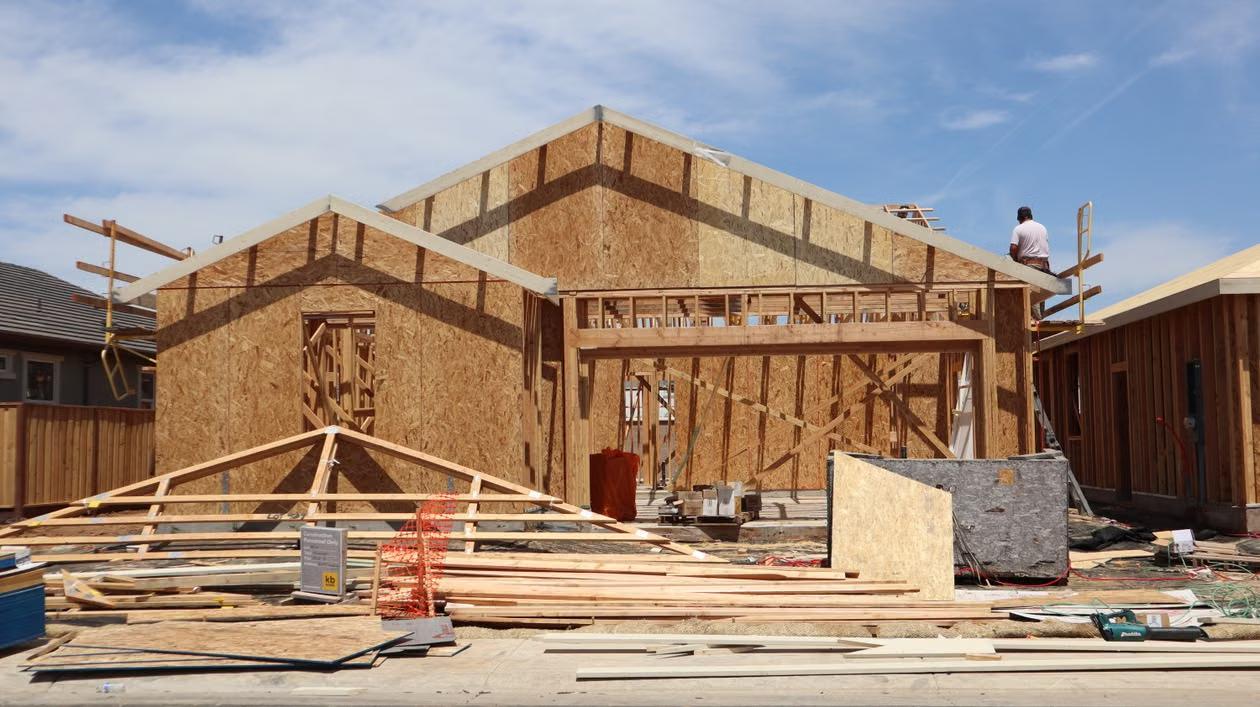
New senior housing construction continues expanding in response to growing demand and evolving resident expectations. Many developers are building communities designed around wellness-focused environments, larger common spaces, energy-efficient infrastructure, and integrated healthcare access.
Construction financing for senior housing projects often requires lenders familiar with specialized property development timelines. These projects may involve extended planning periods, phased occupancy schedules, and regulatory approvals that differ from standard commercial developments.
At the same time, existing operators are pursuing expansion opportunities by adding memory care wings, increasing unit capacity, or redeveloping underutilized commercial properties into senior-focused communities. This combination of new construction and facility expansion is contributing to increased commercial lending activity nationwide.
Adaptive Reuse Projects Are Increasing
Another major trend driving financing demand is adaptive reuse. Investors are increasingly converting hotels, office buildings, and underperforming commercial properties into senior housing communities.
Adaptive reuse projects can offer several advantages, including reduced development timelines, existing infrastructure, and strategic locations near healthcare facilities or residential neighborhoods. However, these conversions also require specialized financing because construction and operational modifications can be extensive.
Lenders participating in adaptive reuse financing often evaluate structural redesign requirements, zoning updates, accessibility improvements, and healthcare compliance considerations before approving funding.
As commercial property owners search for alternative uses for aging buildings, adaptive reuse is expected to remain an important driver of senior housing development activity.
At Insula Capital Group, we help investors across the United States finance senior housing projects with practical and flexible lending solutions. We work with clients who need experienced private mortgage lenders for acquisitions, refinancing, and commercial expansion opportunities. Our team also supports developers seeking hard money construction loans for new senior living communities and facility upgrades. Investors pursuing value-add strategies can benefit from our fix-and-flip financing solutions for repositioning aging properties.