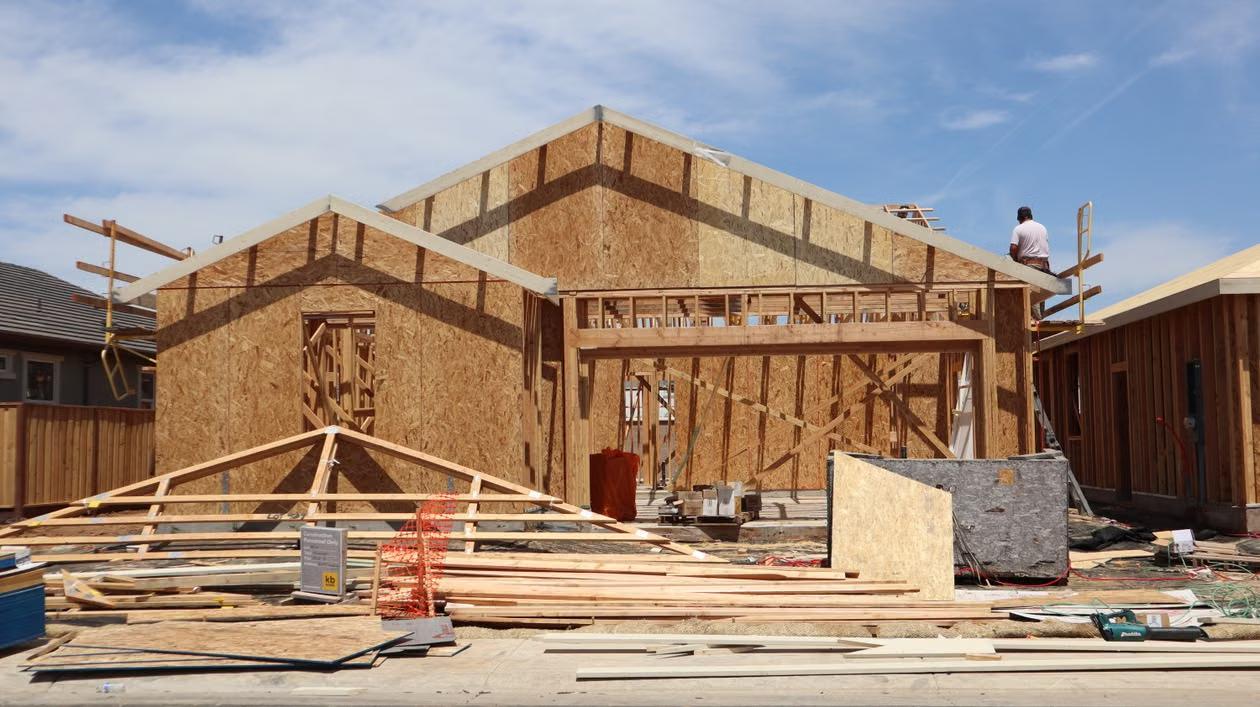
The path of real estate development is filled with unexpected financial obstacles that can derail even the most profitable projects. Many developers assume that a well-designed pro forma guarantees successful project completion, only to face unexpected operational bottlenecks later. A project that appears highly lucrative on paper can easily collapse due to poor execution, bureaucratic delays, or capitalization mistakes.
Understanding these primary failure points allows forward-thinking developers to safeguard their capital and ensure smooth project delivery. We continuously emphasize the absolute importance of securing reliable, flexible capitalization options before breaking ground on any new project. Utilizing institutional-grade new-construction hard-money loans ensures that your project remains fully funded throughout every phase of physical construction. Partnering with specialized private money lenders for real estate investing gives developers the agility needed to overcome unexpected construction delays and complete projects successfully.
1. Bureaucratic Entanglements and Municipal Delays
The first major roadblock that stalls development projects is the complicated process of securing municipal zoning approvals and building permits. Municipal zoning boards and environmental protection agencies often require exhaustive reviews that can delay project timelines by several quarters. Data from the U.S. Environmental Protection Agency highlights how strict regulatory compliance standards can extend initial pre-development phases significantly. If a developer carries expensive short-term debt during these extended review periods, holding costs can quickly deplete available cash reserves. We advise maintaining realistic contingency schedules that account for localized municipal administrative backlogs to protect project liquidity.
2. Supply Chain Disruptions and Material Inflation

Sudden supply chain disruptions and unexpected raw material inflation represent the second major reason development projects fail. The global cost of essential building components like structural steel, lumber, and concrete can fluctuate wildly based on macroeconomic events. When material prices spike unexpectedly, initial construction budgets can quickly face massive cost overruns that threaten project viability. According to historical pricing indices tracked by the U.S. Bureau of Labor Statistics, material volatility can severely impact builders who lack fixed-price supplier contracts. Developers must build realistic inflationary escalators into their baseline budgets to absorb these market shifts without stopping work.
3. Subcontractor Insolvency and Labor Shortages
The third disruptive factor is the widespread shortage of skilled trade labor and the financial instability of critical subcontractors. If a primary framing, electrical, or plumbing subcontractor files for bankruptcy mid-project, finding a replacement can take months. New subcontractors often charge premium rates to take over existing work, creating immediate budget overruns and schedule delays. We recommend vetting subcontractors carefully to ensure your project stays on schedule and within budget.
4. Inadequate Contingency Reserves
Fourth, many developers fail because they maintain inadequate contingency reserves, often allocating less than five percent for unexpected costs. A professional budget should include a robust contingency allocation of ten to fifteen percent to handle hidden subsurface site conditions or engineering modifications. Without this financial cushion, unexpected field challenges can quickly halt construction progress and lead to costly mechanics’ liens.
5. Mismanaged Draw Schedules
Fifth, poorly structured or slow construction draw schedules can quickly freeze a project’s field operations. When lenders take weeks to process draw requests, general contractors cannot pay their crews, leading to immediate work stoppages. We ensure our draw administration processes are efficient, providing rapid funding to keep construction teams moving forward smoothly.

6. Changing Market Conditions and Exit Strategy Failure
Sixth, shifting economic conditions can alter local demand mid project, invalidating the developer’s original exit strategy. If consumer demand drops during construction, selling units at projected prices becomes difficult, forcing a shift toward a rental strategy. This transition requires versatile financing structures that can easily convert short-term construction debt into stable long-term loans.
7. Inflexible Capital Structures
Seventh, utilizing rigid debt financing that offers no flexibility for construction extensions frequently causes project failures. If a lender forecloses immediately upon a technical maturity date without considering field conditions, the developer loses their equity. We prioritize collaborative partnerships, structuring flexible financing options that help developers navigate unexpected project challenges successfully.
Securing the Project Finish Line
Overcoming these seven development challenges requires combining strong project management with flexible, supportive financing partners. Developers must partner with lenders who understand construction processes and provide reliable capital through every phase of the project.
We focus on providing highly responsive financing solutions that protect your investments and keep your construction schedules on track. Working with experienced financing teams gives you the confidence and liquidity needed to navigate unexpected market challenges smoothly. Learn more about our developer financing options by visiting our platform today.
Insula Capital Group is your trusted source for competitive hard money construction loans, flexible new construction loans, and reliable new home construction loans tailored to guarantee your project reaches successful completion. Contact us.