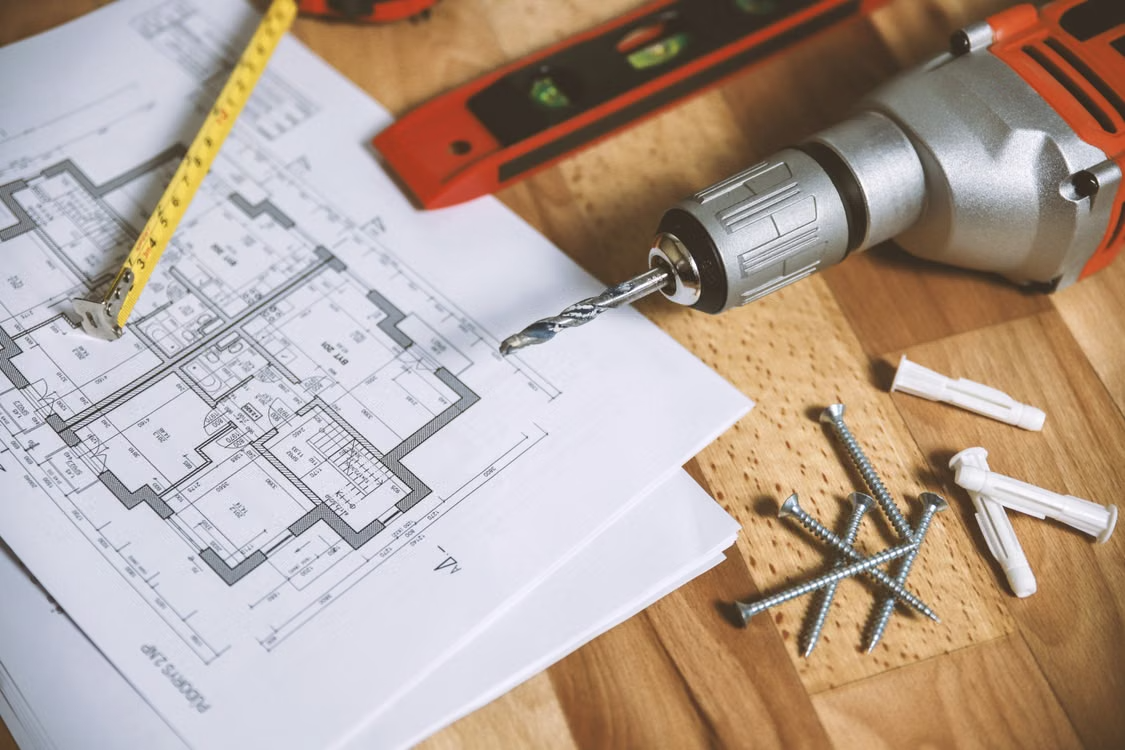
The demand for personalized housing and modern design has grown significantly in recent years, pushing more buyers and developers toward building rather than buying. As construction activity increases across the U.S., financing options have evolved to support this shift. This is where understanding the benefits of choosing a new construction loan becomes more evident.
Unlike traditional mortgages, construction loans are specifically designed to accommodate the unique financial and logistical needs of building a property from the ground up. This blog explores the key advantages of construction financing and why it continues to gain traction in markets.
1. Flexibility in Design and Customization
One of the most compelling benefits of construction financing is the ability to fully customize a property. Instead of adapting to an existing structure, borrowers can design homes that align with their preferences, lifestyle needs, and long-term goals.
According to research, a growing number of homebuyers prioritize customization, with many willing to invest more in new builds to achieve personalized layouts and energy-efficient features. This flexibility is particularly valuable in competitive markets, where existing housing inventory may not meet modern expectations.
From floor plans to materials, construction loans provide the financial framework needed to bring unique design visions to life.
2. Staged Funding Through Draw Schedules
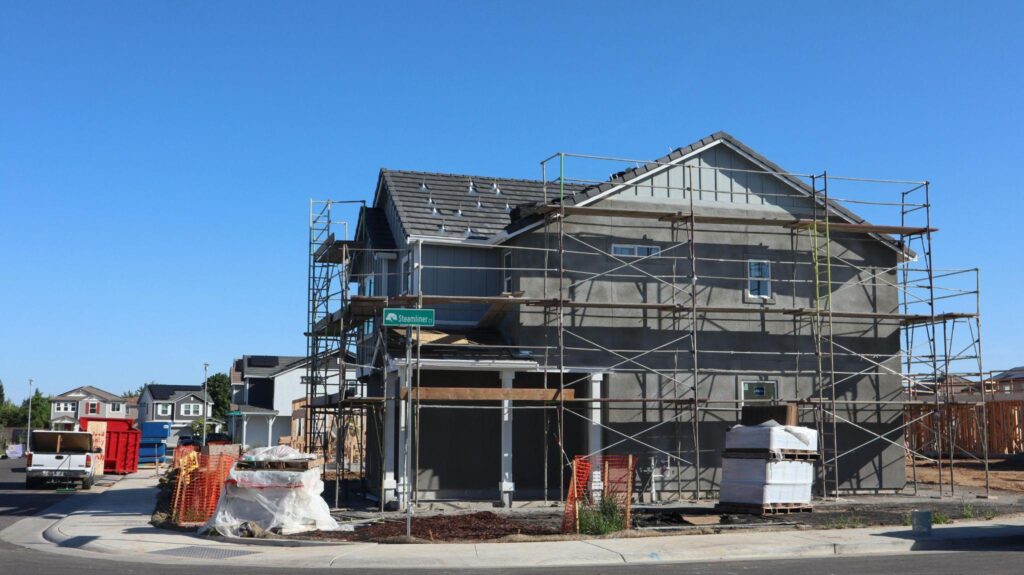
Construction loans are structured around phased disbursements, commonly referred to as draw schedules. Instead of receiving the entire loan amount upfront, funds are released in stages as construction milestones are completed.
This approach provides better financial control and accountability. Lenders typically require inspections before releasing each draw, ensuring that funds are used appropriately and progress aligns with the approved plan.
This staged funding reduces risk for both lenders and borrowers by linking payments directly to verified work completion. In fast-paced development areas, this structured approach helps manage rising material costs and labor fluctuations.
3. Potential Cost Savings Over Time
While construction loans can initially appear more complex, they may offer long-term cost advantages. Building a new home often reduces the need for immediate repairs, renovations, or upgrades that are common with older properties.
New construction homes can be more energy-efficient, incorporating modern materials and technologies that lower utility costs over time. Features such as improved insulation, energy-efficient windows, and smart home systems contribute to ongoing savings.
This is particularly relevant in regions with high utility demands,, where energy efficiency can significantly impact long-term expenses.
4. Interest-Only Payments During Construction
Another financial advantage is the repayment structure during the building phase. Most construction loans in Florida, Los Angeles, or Texas, require interest-only payments on the funds that have been drawn, rather than the full loan amount.
This keeps monthly payments lower while the project is underway, helping borrowers manage cash flow more effectively. Once construction is complete, the loan is typically converted into a traditional mortgage or refinanced.
This structure provides borrowers with short-term financial flexibility, especially during lengthy construction timelines.

5. Alignment with Market Demand and Property Value
New construction projects often align more closely with current market trends compared to older homes. This can positively influence property value upon completion.
New builds play a critical role in addressing housing shortages, particularly in growing metropolitan areas. Homes designed with modern features and layouts tend to attract stronger buyer demand, supporting long-term value retention.
6. Greater Control Over Quality and Materials
Construction financing allows borrowers to select materials, finishes, and construction methods that meet their standards. This level of control reduces the likelihood of hidden issues that are sometimes found in older properties.
New construction homes often meet updated building codes and safety standards, providing added assurance in terms of durability and compliance.
Building a property from the ground up offers a level of control and strategic advantage that traditional financing simply cannot match. From customizing design elements to managing costs through phased funding, construction financing creates a more adaptable and forward-looking approach to real estate development.
That’s where experienced lending support plays a critical role. Insula Capital Group offers specialized construction financing solutions designed to support projects from initial planning through completion. Through flexible loan structuring and draw schedules tailored to real construction timelines, we help borrowers navigate the complexities of building with greater clarity and control.
Take the next step toward building smarter; contact us today and move your project forward with confidence and precision.