
Blog

Model houses on rising financial charts

7 Ways Investors Use DSCR Loans to Scale Faster Than Traditional Financing Allows

Scaling a rental portfolio with traditional financing eventually hits a wall. Banks cap how many mortgages you can hold and scrutinize your personal income at every turn. That is why so many investors pivot to DSCR loans, often alongside hard money lenders in Columbia, SC, and flexible hard money loans for real estate, to keep growing

7 Ways Investors Use DSCR Loans to Scale Faster Than Traditional Financing Allows Read More »

A person signing on a document

Why Waiting 90 Days for Traditional Bank Underwriting Is an Expensive Hobby

In real estate investing, timing often determines profitability. A strong opportunity can emerge unexpectedly and disappear just as quickly. While traditional banks remain a common source of financing, their lengthy underwriting processes can create significant challenges for investors who need to act fast. For many investors, waiting 60 to 90 days—or even longer—for a loan

Why Waiting 90 Days for Traditional Bank Underwriting Is an Expensive Hobby Read More »

A person holding a roll of money

Don’t Overpay for Decades: How Short-Term Multifamily Financing Keeps Your Portfolio Agile

Multifamily investing is often associated with long-term ownership, but not every financing structure needs to stretch across decades. In fact, locking into long-term debt too early can limit flexibility, reduce returns, and make it harder to respond to changing market conditions. Short-term multifamily financing offers an alternative approach. It allows investors to acquire, reposition, and

Don’t Overpay for Decades: How Short-Term Multifamily Financing Keeps Your Portfolio Agile Read More »

A house with multiple balconies

How to Fast-Track Your Multifamily Value-Add Project with Private Capital

Multifamily value-add investing depends on speed and execution. The strategy is straightforward: acquire underperforming properties, improve them through renovations or operational changes, and increase income and asset value. The challenge is rarely the strategy itself. It is the timing. Traditional financing can significantly slow down this process. Investors often lose deals not because the numbers

How to Fast-Track Your Multifamily Value-Add Project with Private Capital Read More »

Suburban homes in a fix-and-flip market

Why Some Investors Are Deliberately Passing on 20%+ ROI Fix-and-Flips

A twenty percent return looks irresistible on paper. When an investor runs the numbers on a fix-and-flip and sees a projected return north of twenty percent, the instinct is to jump in before someone else does. Yet some of the most experienced investors we work with do something that puzzles newcomers: they study that same

Why Some Investors Are Deliberately Passing on 20%+ ROI Fix-and-Flips Read More »

An illustration showing a stack of banknotes

8 Financing Blunders First-Time Investors Are Still Making in 2026

Real estate investing continues to attract new investors in 2026. Rising property demand, expanding rental markets, and growing opportunities in residential redevelopment have encouraged many people to enter the industry. However, while finding the right property is important, securing the right financing is often what determines success or failure. Many first-time investors focus heavily on locating

8 Financing Blunders First-Time Investors Are Still Making in 2026 Read More »

close-up of construction tools and floor plan on a table

The 70% Rule Is Dead: How Experienced Investors Are Underwriting Deals in 2026

For years, real estate investors relied on a simple formula known as the 70% rule. The idea was straightforward: purchase a property for no more than 70% of its after-repair value, minus renovation costs. While the rule provided a quick screening method, today’s market conditions require a more detailed approach. Investors using fix-and-flip financing are finding

The 70% Rule Is Dead: How Experienced Investors Are Underwriting Deals in 2026 Read More »

a room during a refurbishing process

How Many Active Fix-and-Flip Projects Can You Realistically Manage at Once?

Growing a real estate investment business often brings an important question: how many projects can you manage at the same time without sacrificing quality or profitability? While access to fix-and-flip loans may allow investors to acquire multiple properties, successful project management requires much more than funding. Time, experience, systems, and reliable contractors all play a major

How Many Active Fix-and-Flip Projects Can You Realistically Manage at Once? Read More »

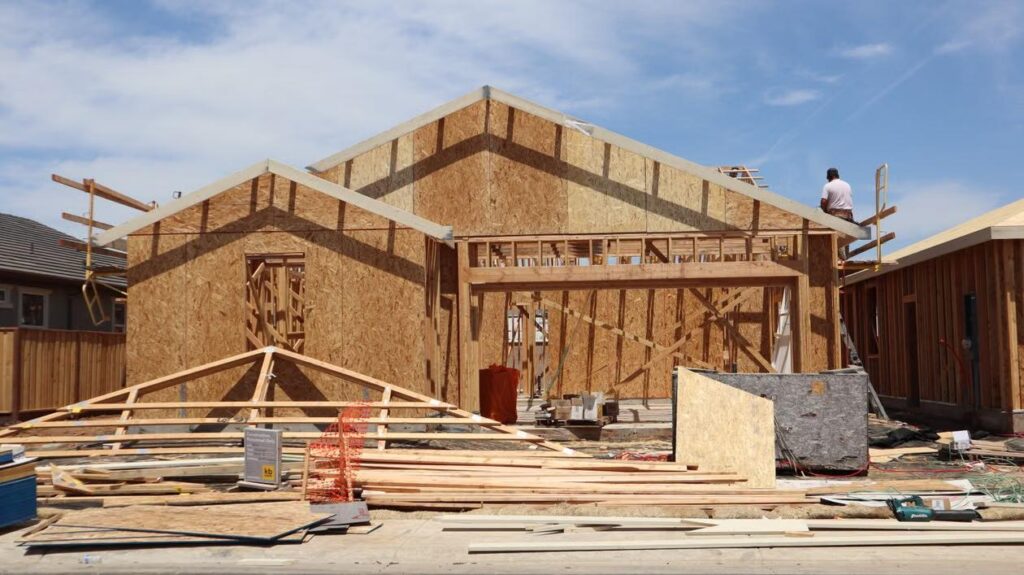
a new house under construction

Why More Investors Are Building New Homes on Infill Lots Instead of Chasing MLS Flips

New home construction loans are playing a major role in how investors are reshaping their strategies, but more capital is now flowing toward infill lot development instead of competitive MLS properties. Rising acquisition costs, tighter margins, and stronger competition in resale markets are pushing investors to rethink where profits are truly more controllable. As a result, many

Why More Investors Are Building New Homes on Infill Lots Instead of Chasing MLS Flips Read More »

Ed Stock

Managing Partner/Founder

With 30 years of real estate finance and investing experience, I have come across most of what the real estate and mortgage arena has to offer. As a full time real estate investor, I am always looking for new projects in the Fix and Flip market as well as the holding of long term rentals. At Insula Capital Group, I have successfully placed many new investors on the course to aquiring and managing their own real estate portfolios.